

College Students: Screen time and DOOMSCROLLING
how many hours is your daily screentime? 6? maybe 7?

or maybe even more? whatever the number is it’s probably not super good to have that much.
Today we college students spend significant time in our day looking at screens, whether it be for schoolwork, entertainment, or social interaction. As phones, laptops, and tablets become the main things we use for academic and social life, researchers and educators are starting to examine how much time we students spend on these devices and how this screen time affects our mental health, academic performance, and daily habits.
Screen time
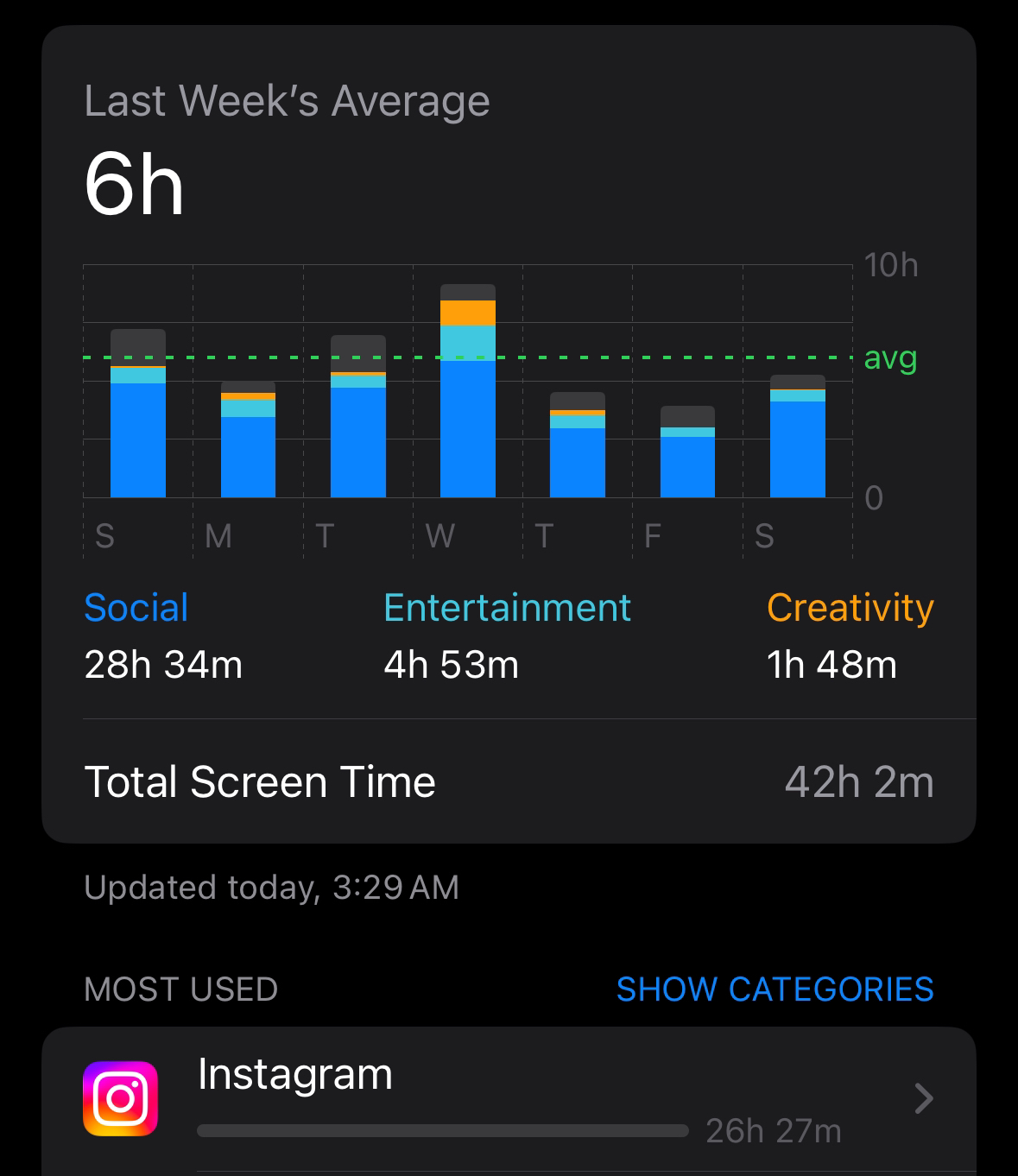
The increase in screen time has developed over the past decade, but research and public discussion have gotten hotter recently as phones and social media platforms become nearly universal among young adults. Surveys show that university students may spend over six hours per day on their phones alone, not even including time spent on laptops or other screens for schoolwork.
sleep and mental health
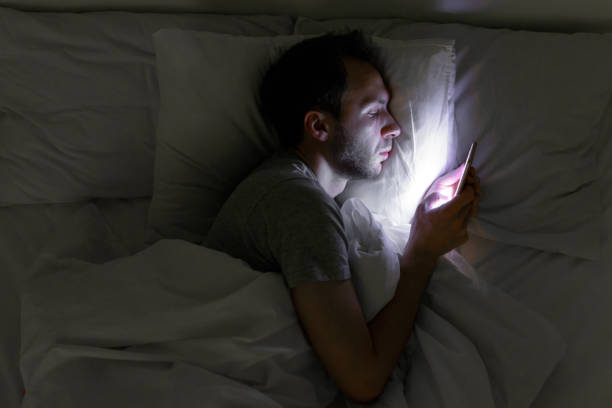
Researchers are studying why screen time has become so high and how it might affect student wellbeing. One of the explanations is convenience. Smartphones provide instant access to messaging, news, entertainment, and academic resources all in a single device. Also, many apps are designed to make you keep coming back through notifications, short videos, and personalized algorithms.
Some studies suggest that excessive screen time may be associated with health concerns. For example, a study of more than 500 college-aged adults found that higher screen time was linked with higher stress levels, although things such as physical activity and better sleep quality could help reduce those effects. Other research looking at the digital habits of young people has linked high screen use to bad sleep quality, less physical activity, and mental health issues such as anxiety or depression.
good screen time
At the same time, experts emphasize that not all screen time is harmful. Our devices are essential tools for education, communication, and even career development. Many college students use screens for writing papers, research, collaborating with classmates, or getting access to learning materials that would otherwise not be available.
Because of these mixed effects, researchers are focusing on how students use technology rather than just how long they use it. Things like studying, going to virtual lectures, or collaborating online may have different impacts than just doomscrolling through social media for 4 hours or watching videos for long periods of time.

pay attention to your screen time

More and more universities and health organizations are encouraging students to develop more balanced digital habits, like limiting phone use before bed, taking breaks during long study sessions, and staying active. These strategies are to help students benefit from technology while not having as many potential downsides.
As more digital tools get released and keep getting shoved into education, understanding screen time habits will remain an important topic for researchers, educators, and students. Ongoing studies will most likely play a key role in determining how colleges can support healthier technology use while still taking advantage of the opportunities digital devices provide.

Chris Crosby
Student Writer - Spring 2026
I have an interest in jazz music, and this is my second semester at Gulf Coast. Normally, outside of school, I spend my time gaming, playing my saxophone, or hanging out with friends. I don’t have any pets, but if I did, I’d want something like a tortoise or a reptile of some kind.