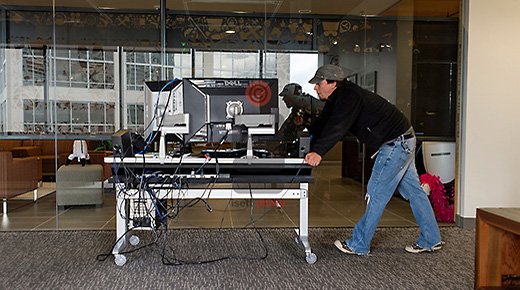
Valve is a somewhat unusual game development company. Using a “Flat” structure, meaning they don’t exactly have higher-ups or managers in the typical sense. At Valve, you are your own manager. You get to choose what to work on. Valve is famous for having a “Desks on wheels” approach to their work environment. Quite literally, employees get to choose what to work on, and if they need to, they can use the wheels on their desk to move over to the area they’d like to work on. This helps with collaboration and opening up the floor to more communication between employees. To a new employee, this whole system could seem daunting, but that’s why Valve has its own new-employee handbook (publicly available online) that outlines its pretty open rules and encourages new employees to choose what they want to work on. Valve believes that if a team is passionate about their work, it’ll be much better than if they were just told to by their boss or another higher-up.
Bouncing Ideas and Gaining Momentum
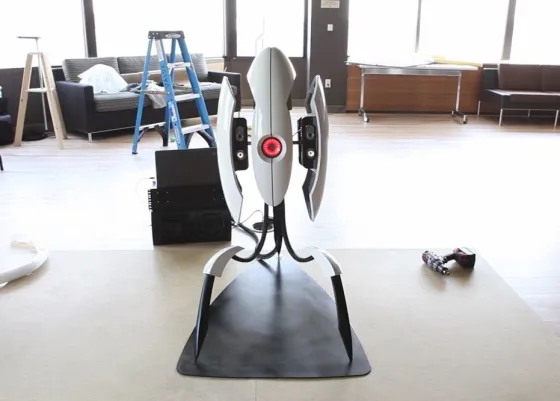
Valve employees have the freedom to announce ideas they have to coworkers. Which in turn, gets a small team together to work on that idea. A good example of this is the “Portal” game. The idea came from a small group of students who didn’t even work at Valve, but after a meeting with Gabe Newell, the founder of Valve. He hired them on immediately, letting them work on their passion project and share it with other Valve employees. This led to the creation of “Portal 2”, and with that, “The Orange Box” (Portal 2, Half-Life 2, and Team Fortress 2). (Turret Image from NBC News.)
Valve’s Headquarters: Whys it work so well?
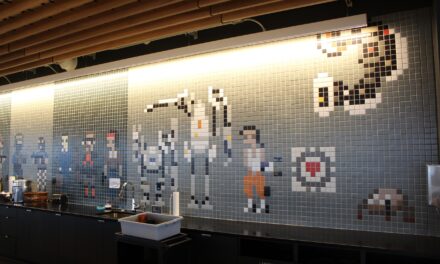
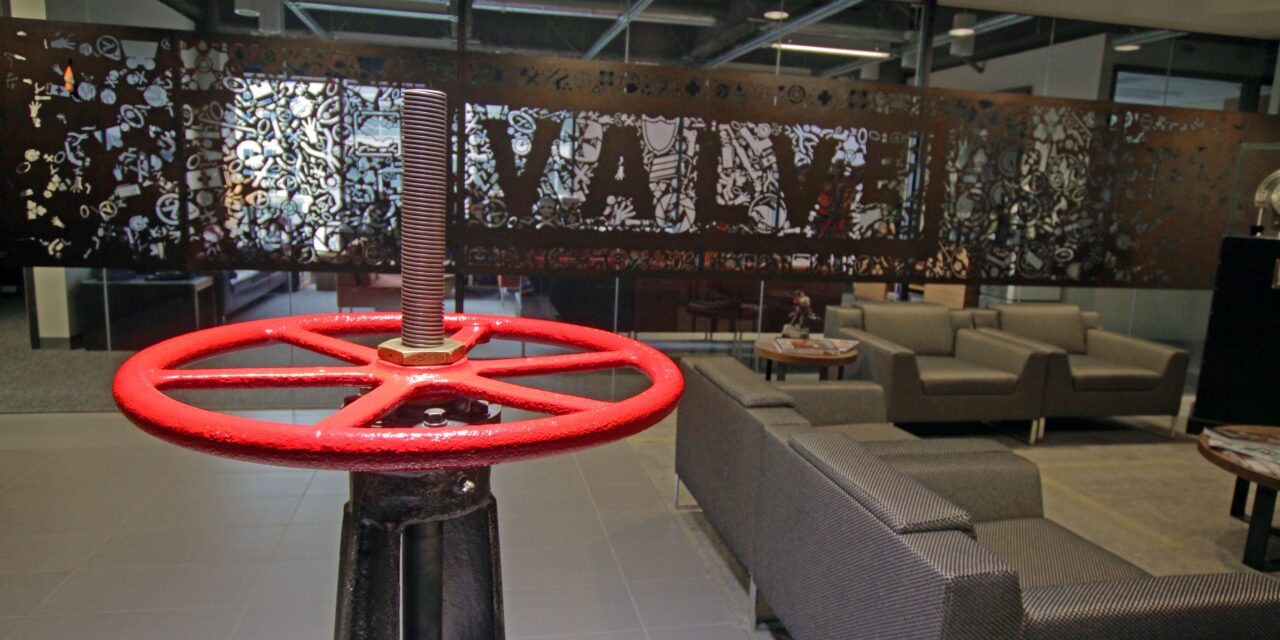
Valves Headquarters, located in bellevue washington, is a 7-story building with a fairly open floor plan, encouraging open communication and collaboration between employees. Featuring many props from their video games over the years, such as tile artwork based on the games they’ve made, all the way to a children’s playground based on Team Fortress 2.
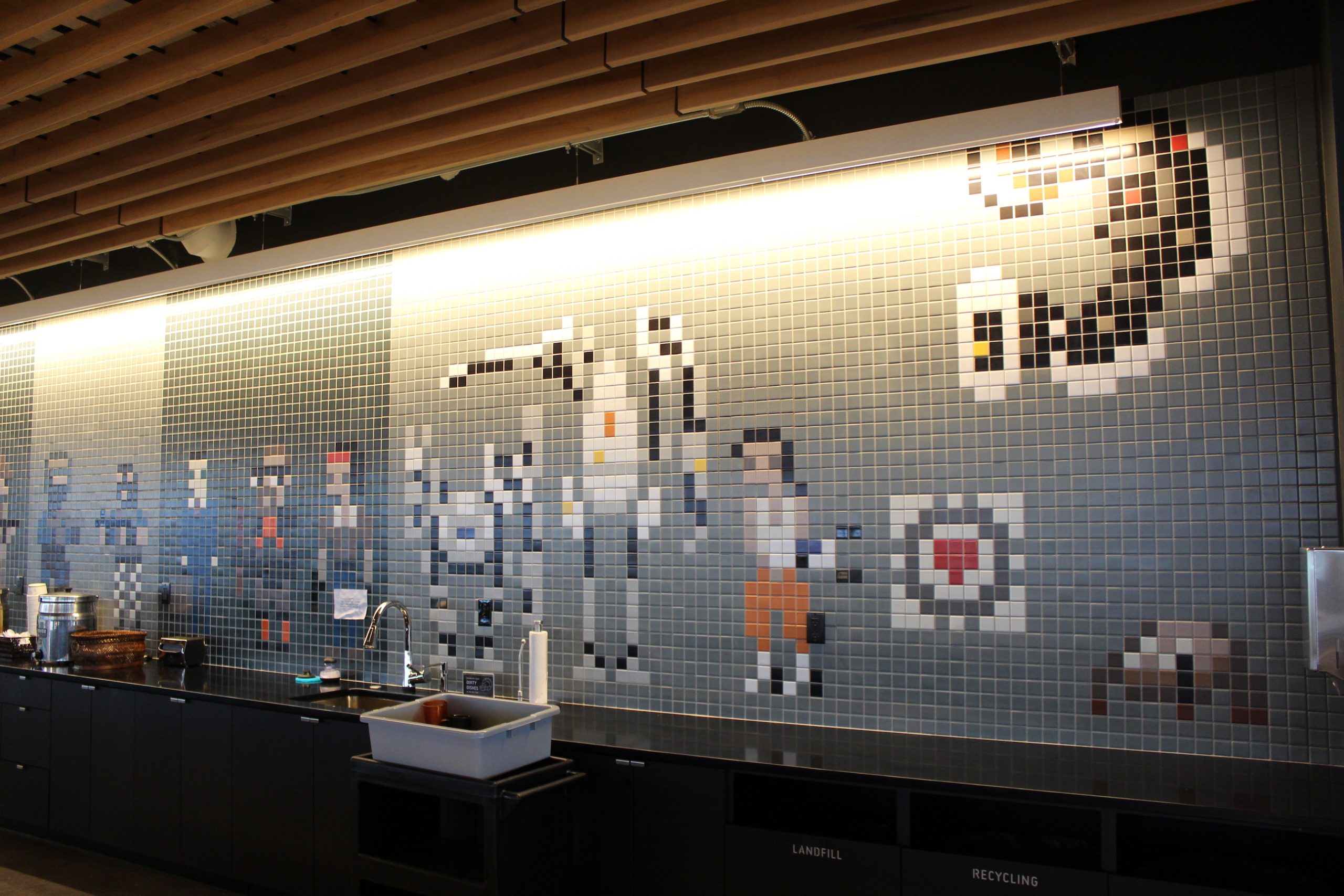
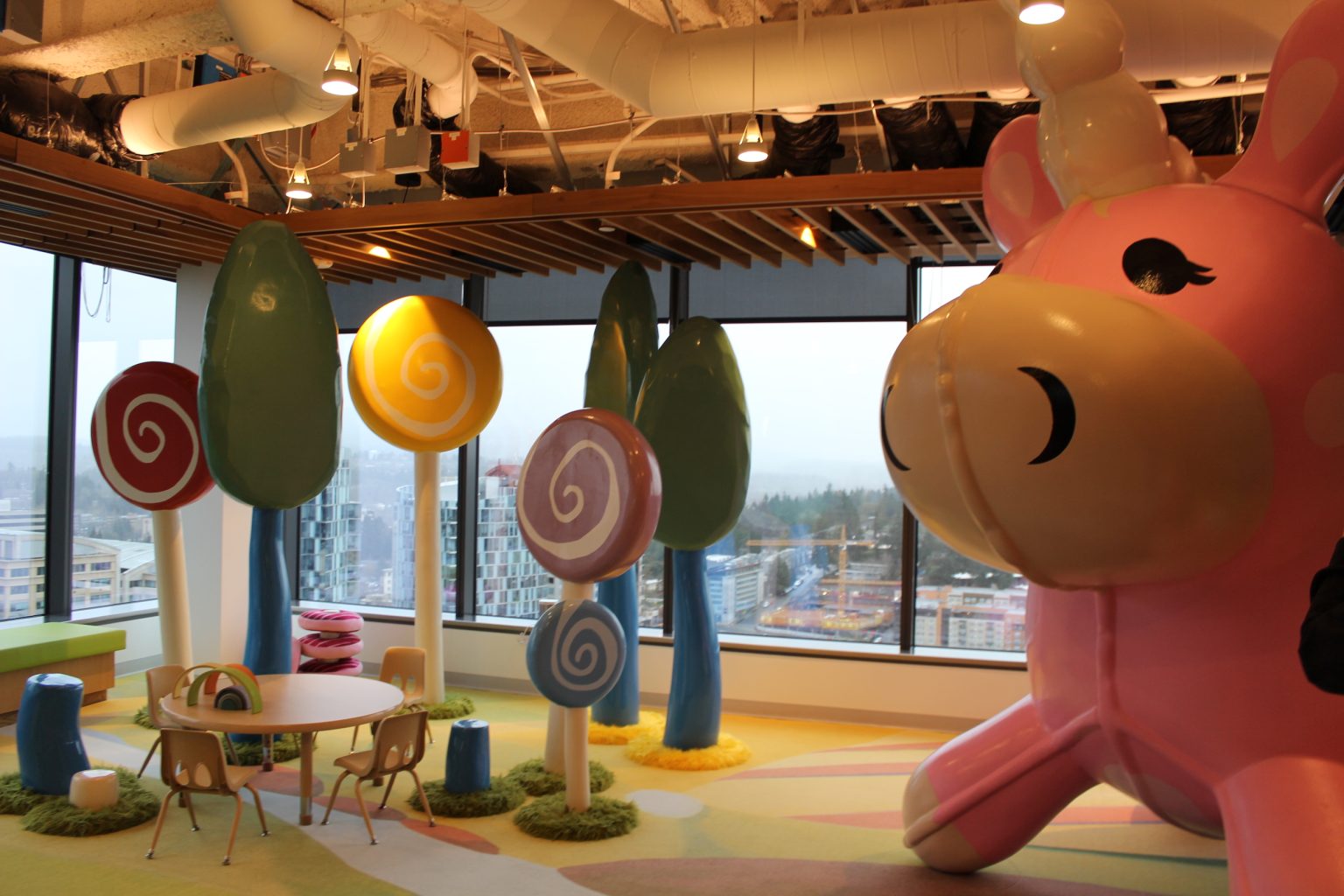
These props aren’t just decoration, these are commemoration for the work they’ve accomplished. Employees can look at these and use them as an inspiration to keep on moving forward. The reason this building plan works so well is the central stairwell. Going from floor 7 all the way to the first. This encourages communication with co-workers on the other floors. Instead of staying cooped up on your floor, you can just go up or down the stairs, and bounce ideas off of each other. Originally, Valves Headquarters was just down the road, being a smaller building still with an open floor plan. With the rise of Valve, however, they kept getting more employees, and therefore needed a bigger space for their 200 and rising employees. So, in 2010, they moved to their now 7-floor building.
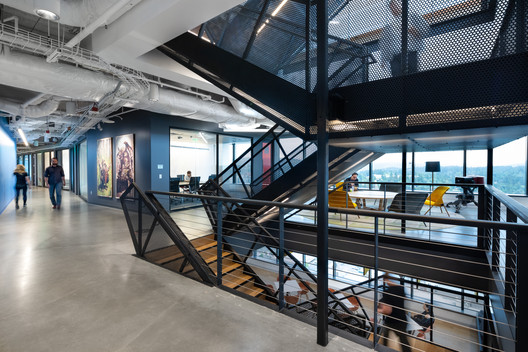
How do employees know what to work on? How does it affect older games?
Valve employees freely get to choose what they work on. This brings freedom to the workplace, ensuring no one ever gets burnt out by being forced to work on the same thing for years at a time. A good example of this is Team Fortress 2. While hard to get an exact number, due to their “Desks on Wheels” flow. It’s theorised that in the early stages of TF2 (Team Fortress 2). The development team was about a dozen people, from 2005-2010. With this number now dwindling to the lower numbers, around 3 or 4 people. The game has not had any major updates since 2017. Likely due to Valve focusing on their newer projects, such as Deadlock, and the Steam Machine. Deadlock is still in active development, and the Steam Machine is set to release sometime in the near future. The Steam Machine is their version of an affordable gaming PC setup, for lower budget gamers who want to move to PC, but can’t afford a $1000-2000 investment.
Why should Valve's workflow matter to you?
The Valve Workflow should be looked at as an example of how to correctly develop something. Whether that something is a game, an animation, or just a simple student film. The ability to be able to openly bounce ideas off each other and work on what you feel passionate about should be widely accepted. While in a small group, you may have some trouble finding that passion, but that’s where you use your “Desk On Wheels” and collaborate with someone more in-tune with that part of the development process, and learn from each other. The workflow valve has been implemented is sure to boggle you at first, but when you get down to it, open communication and collaboration are the absolute keys when making something in a group. Have those arguments, have those disagreements. See what works best and accomplish that goal together.
Sources:
Gamespot: https://www.gamespot.com/articles/these-guys-got-a-tour-of-valve-hq-and-have-picture/1100-6421036/
ArsTechnica: https://arstechnica.com/gaming/2018/03/valve-lets-us-loose-in-its-new-offices-unlocks-the-doors-to-a-rare-merch-room/
QualityDigest: https://www.qualitydigest.com/inside/innovation-column/desks-wheels-050417.html
ArchDaily/Clive Wilkonsons: https://www.archdaily.com/924840/valve-headquarters-clive-wilkinson-architects-plus-jpc-architects/5d7c1010284dd1e0b6000146-valve-headquarters-clive-wilkinson-architects-plus-jpc-architects-photo
NBC News: https://www.nbcnews.com/tech/tech-news/portal-turret-now-real-run-your-life-flna1b6014754
GameInformer: https://gameinformer.com/b/features/archive/2010/03/29/valve-studio-tour.aspx
GamesRadar: https://www.gamesradar.com/history-of-valve/
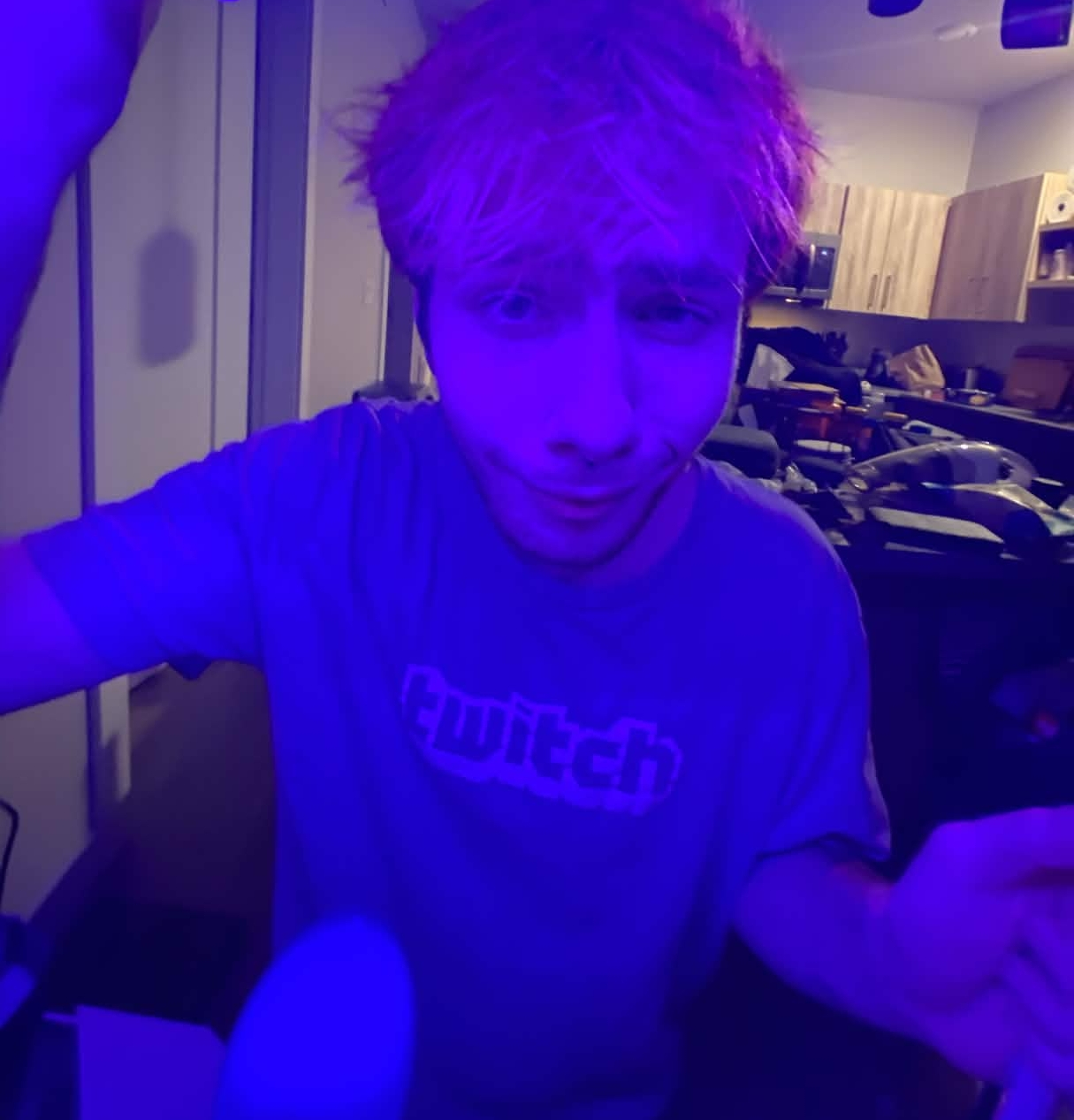
Robert (tuesday) Koss
Student Writer - Spring 2026
Robert “tuesday” Koss is a 2nd year student at Gulf Coast. He aspires to be more than he can, always getting better at whatever he can. Pursuing the Digital Multimedia path, with a focus in Video Production. He’s also a small youtuber, under the name “Robert tuesday”