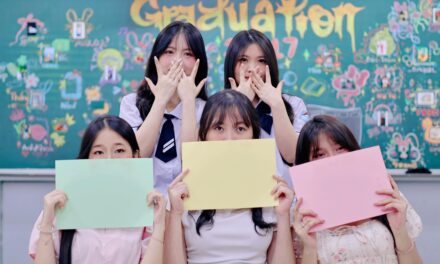
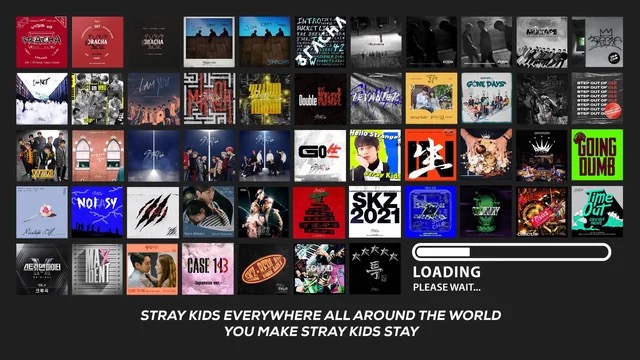
Kpop has gone from a niche genre that only East Asian music fans knew about to a full blown global phenomenon that’s landed multiple acts on the Billboard Hot 100, sold out stadiums worldwide, and created one of the most dedicated fan cultures n the history of music industry. And if you haven’t noticed it yet….you will. It’s everywhere.
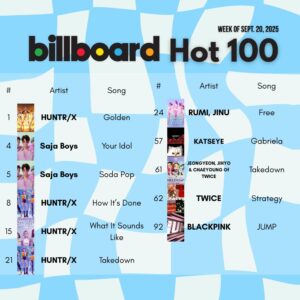
(Picture by X.com)
A lot of people act surprised by Kpop’s success, like it just randomly exploded one day but the truth is this decades in the making which all started with Seo Taiji and Boys group. They broke Korean music forever and the entertainment industry took note immediately. What came next was arguably one of the most calculated and intentional music industry systems ever built. South Korean labels like SM Entertainment, YG, and JYP (these are Kpop companies) started developing what they call the “idol system.”

(Picture by Creatrip)
Basically they’d scout kids, starting from 12 or 13, training them for years in singing, dancing, languages, and even acting. Then debut them in carefully constructed groups. It sounds kind of intense but the results were undeniable polished. Kpop’s global rise wasn’t just organic; there was real infrastructure and institutional support behind it.
Going Viral Before Viral Was a Thing:
Here’s where things get really interesting from a media studies perspective. For a long time, Kpop was locked out of the mainstream Western radio and MTV. Labels couldn’t get their artists on American TV, couldn’t get them rotation on major stations, couldn’t break through the gatekeepers of the traditional music industry. So they did something smart: they went directly to fans through the internet. YouTube became the secret weapon.

(Picture by Architectural Digest)
Labels uploaded full music videos (elaborate, high budget, visually stunning music videos) for free, for anyone in the world to watch. And people watched…a lot. The visuals were unlike anything Western audiences were used to, the choreography was insanely precise. The production quality was cinematic, you didn’t need to understand Korean to appreciate what you were seeing. PSY’s “Gangnam Style” in 2012 was the moment this strategy went supernova. It became the first YouTube video to hit one billion views and counting. It proved conclusively that language was not a barrier to music going globally viral and it put Korean pop culture on the radar of people who had never even thought about it before.
Fandom as a Force of Nature:
You cannot talk about why Kpop is popular without talking about the fans because Kpop fandom is seriously its own sociological phenomenon. Groups like BTS have a fandom called ARMY that are organized, dedicated and frankly in little terrifying in the best way. These aren’t passive listeners. They’re streaming parties to boost chart numbers and they’re learning Korean to understand lyrics directly. They’re buying multiple versions of the same album because each one comes with different photo cards.

( Picture by Flypaper)
Kpop labels have been genius at engineering this deep engagement. There’s a constant cycle: behind the scenes footage, live streams, fan meets, social media interactions between artists and fans, and variety show appearances. The connection feels personal in a way that’s pretty different from the typical Western artist-fan relationship. You don’t just listen to Kpop; you become part of a community.
Social media platforms amplified this to absurd levels. TikTok in particular has been a massive pipeline for new fans: a dance challenge goes viral, a casual scroller watches it, gets curious, falls down a rabbit hole, and suddenly they’re three weeks deep into a group’s full discography at 2am. I’m speaking from experience.
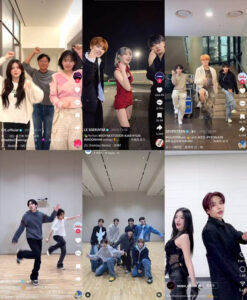
( Picture by The Korea Herald)
So What’s the Takeaway?
Kpop’s rise isn’t some random cultural accident. It’s the result of a deliberate, decades long system of artist development, strategic global distribution, government backed cultural promotion and a genuinely innovative approach to fan engagement – all supercharged by the internet at exactly the right time.
It’s also a pretty fascinating case study in how the globalization of media has fundamentally changed what “mainstream” music even means. Twenty years ago, a genre sung primarily in Korean having a bigger global market share than any other genre would have seemed impossible.
Whether you’re already a die-hard fan streaming the latest comeback at midnight or someone who still doesn’t really get it – Kpop isn’t going anywhere. If anything, it’s still growing. And honestly? That’s kind of impressive, regardless of your taste in music.
Isabell Russell
Student Writer - Spring 2026
My interests are reading books, K-pop, musicals, dancing, Star Wars, and anime. My educational journey is a graduate of Bay High School (with AICE) and a freshmen in Gulf Coast State College. What I do outside of school is being active as a Jehovah’s Witness and enjoying spending time with my family. I have one dog named Pablo, and he’s a husky and a lab mix breed 🙂