
Feature Image by Thanh Nguyễn Duy – Pexels.com
How K-pop Engineered Global Domination:
From fandom ecosystems to multinational idol groups, the Korean pop industry didn’t stumble into world fame – it built a machine.
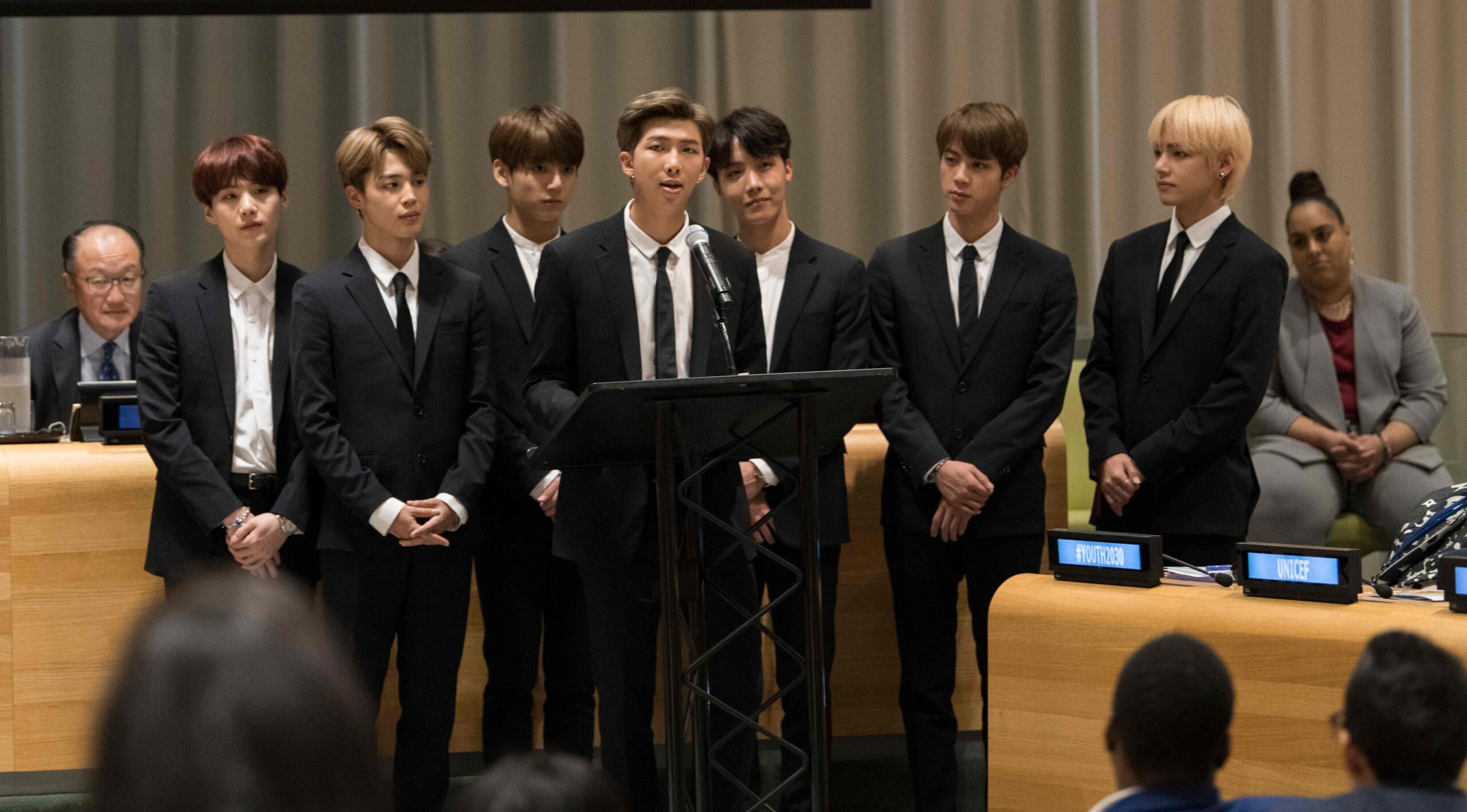
When BTS stood before the United Nations General Assembly in 2021, speaking to world leaders about youth and self expression, it was an extraordinary moment – but it wasn’t accidental. It was the culmination of one of the most deliberate, sophisticated and innovative marketing strategies the music industry has ever seen. K-pop, the hyper polished genre that exploded out of South Korea, is not just music. It is a finely engineered brand ecosystem and its rise offers a masterclass in how to build a devoted global audience from scratch.
The Architecture of a Fandom:
At the core of K-pop’s marketing success is a radical rethinking of what a ‘fan’ is. Traditional pop music treats fans as consumers – people who buy an album and attend a concert. K-pop agencies treat fans as active co-creators and community members. This shift is not accidental; it is baked into every touchpoint of the k-pop experience.
HYBE Corporation’s Weverse platform is perhaps the clearest expression of this philosophy. The app integrates fan interactions, exclusive content, real time artist posts and e-commerce into a single unified ecosystem. By 2024, Weverse had reached 150 million cumulative global downloads – a staggering number that illustrates how deeply fans embed themselves in these platforms, not just as listeners but as participants.
Fans organize mass streaming parties to push songs up charts, coordinate buying strategies for album versions (each containing different photo cards and booklets) and run international fan accounts that do the promotional work of entire marketing departments. This participatory model turn loyalty into labor and it costs the labels almost nothing.
Global by Design: The Multinational Idol Strategy
One of the most calculated moves in K-pop marketing is the construction of idol groups themselves. Labels don’t simply find talented performers – they engineer multicultural units designed to maximize geographic reach. Groups are assembled with members from South Korea, Japan, China, Thailand, the U.S. and beyond each member serving as a cultural bridge to a different market.
SM Entertainment’s NCT pioneered an extreme version of this with it’s ‘multinational member’ model, adding members from different countries to attract fans across Aisa and beyond. HYBE and Universal Music Group co-produced KATSEYE, a multi-national girl group whose entire audition process was live-streamed across 120 countries – turning the very formation of the group into a global marketing event. Their second EP debuted at No. 4 on the Billboard 200 and spent 15 consecutive weeks on the chart.
Language localization is another key lever. Groups like GOT7, with members fluent in multiple languages, were strategically designed to communicate directly with fans in their native tongues. K-pop songs frequently include verses in Japanese, English, Mandarin or Spanish – a calculated move that signals inclusion to international audiences and generates chart activity in multiple territories simultaneously.
Music Trailer by BLACKPINK Official YouTube Channel
The Merch Economy and Scarcity Marketing:
K-pop’s merchandise strategy is a marvel of consumer psychology. Albums are released in multiple physical versions – each with different cover art, photo cards of different members. A fan who wants the full set must buy multiple copies. The result: SEVENTEEN sold over 10 million album copies in 2023 alone and the group’s fanbase, CARAT, had grown to over 130 million people globally.
Pre-order bonuses, limited edition seasonal kits and geography exclusive merchandise create a sense of urgency and scarcity that drives immediate purchases. Meanwhile, the global K-pop merchandise market has expanded to reach fans in 235 countries with North America alone accounting for 51.7% of transactions – a remarkable figure for a genre rooted in East Asian culture.
Brand Collaborations: Idols as Commercial Capital:
K-pop agencies have mastered the art of turning idols into premium consumer symbols. The logic is simple: fans don’t just love the music – they love the people and by extension, anything those people touch. Brands have taken notice.
The BTS Meal at McDonald’s is one of the most famous examples: branded packaging, exclusive in app content and localized menu items that fused the group’s identity with fast food in a way that felt authentic rather than corporate. The campaign sold out in multiple countries. Stray Kids’ ongoing partnership with Valentino demonstrates how k-pop has crossed into high fashion, integrating idol styling into global luxury campaigns and connecting two entirely different fan communities in the process.
TV Commercial by McDonald’s India Official YouTube Channel
Soft Power and the State Behind the Scene:
K-pop’s rise isn’t purely a private sector story. The South Korean government has positioned its cultural sector as a national strategic industry, offering tax incentives and subsidies to entertainment companies and funding overseas cultural exchanges through bodies like the Korea Creative Content Agency. The government amended the Music Industry Promotion Act specifically to support k-pop’s global expansion.
This state backing gives Korean agencies advantages that competitors in other markets don’t have. It also means that k-pop serves a dual function: it is simultaneously a commercial product and an instrument of cultural diplomacy – what scholars call ‘soft power.’ BTS attending White House events and speaking at the United Nations is not a coincidence. It is the logical endpoint of a marketing strategy that spans government, industry and fandom.
What’s Next: Challenges at the Frontier
Whether K-pop can sustain its extraordinary growth or must reinvent itself again remains to be seen. But one thing is certain: the industry didn’t get here by accident. Every Fan community, every photo card variant, every bilingual genius. In a world where attention is the scarcest resource, K-pop found a way to make devotion itself the product – and the fans keep coming back for more.
Isabel Russell
Student Writer - Spring 2026
My interests are reading books, K-pop, musicals, dancing, Star Wars, and anime. My educational journey is a graduate of Bay High School (with AICE) and a freshmen in Gulf Coast State College. What I do outside of school is being active as a Jehovah’s Witness and enjoying spending time with my family. I have one dog named Pablo, and he’s a husky and a lab mix breed :).