
Throughout history, one thing has remained evergreen – our capacity for innovation. That, plus the benefit of opposable thumbs, has allowed humans to make great strides on a global scale. Through monumental effort, we have transformed the world into the mostly well-oiled machine we know today. Agriculture, technology, digital media, and more are all examples of what humans can do when they set their minds to changing the world. The question, however, remains – is change always a good thing?
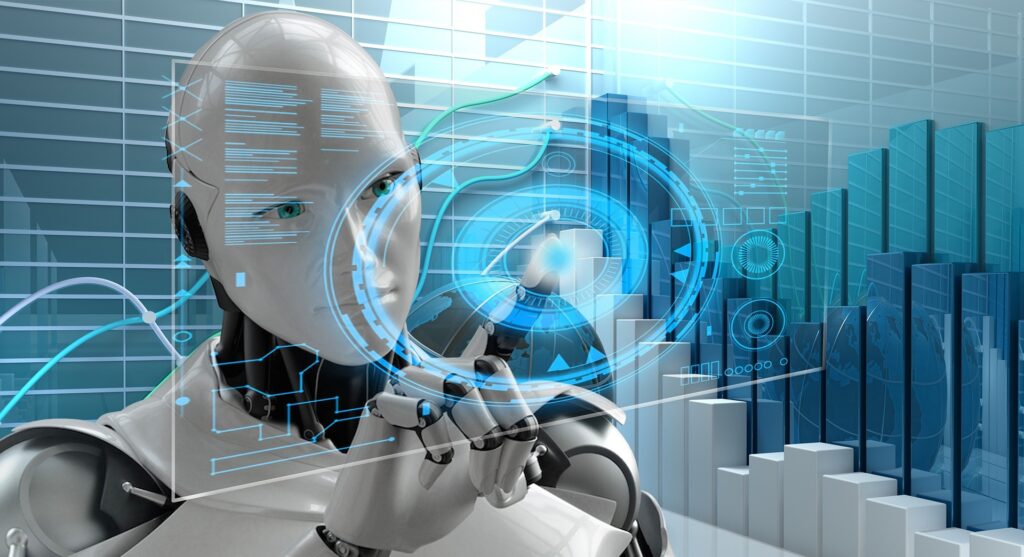
Image by sujin S from Pixabay
Artificial intelligence, or A.I., has swept the world in a whirlwind of emotions, opinions, and of course, innovation. Some consider A.I. to be a boon to society, while others consider it the inevitable bane of our existence. As with most controversial things, there are excellent points on both sides of the equation. Despite the incessant debate, no one seems to be fully right or wrong. While A.I. comes with some obvious benefits, there are just as many issues – many of which don’t have a clear solution.
The Benefits
On one hand, A.I. is, at its core, just another tool. It’s no different from machinery, calculators, smartphones, etc. Tools, when used appropriately, allow us to accomplish tasks much faster than otherwise possible. According to an article published by the University of Cincinnati (UC, 2026), there are a plethora of advantages to A.I.. It has made a huge impact in agriculture, medicine, cyber security, and more. Even on a smaller scale, A.I. can help students like myself to organize ideas and improve workflow. While some may disagree with the fundamentals and global use of A.I., it’s hard to ignore all the benefits.
The Drawbacks
On the other hand, artificial intelligence also comes with many problems – some of which are too big to ignore. From data breaches to rising electrical bills, A.I. has created a plethora of issues from which people are suffering. One of the biggest issues – and the one that I’m personally most concerned about – is the increased cost of electricity in locations neighboring massive A.I. data centers. An article from Bloomberg (Bloomberg, 2025) paints a grim picture for many Americans who happen to live nearby these centers. A data center built in Virginia is causing a steep jump in electricity bills in Baltimore – over an hour’s drive away.
This is just one example of how a seemingly wonderful thing, such as A.I., can have long-lasting consequences which are unseen and sometimes unnoticed. It’s alarming that someone who doesn’t use or benefit from A.I. may ultimately have to pay the price. Unfortunately, the issues don’t stop there. From reduced creativity, to job loss, to long-term environmental issues, artificial intelligence has raised concerns across the globe.
The Question Remains
Overall, while A.I. is an innovation which provides many benefits to society, it has also garnered fear, suffering, and long-lasting concerns for the future. Personally, I have mostly avoided A.I. but have enjoyed using it occasionally. It can potentially make the world a better place, but the question remains – do the ends justify the means? We are moving steadily forward to an A.I.-centered society and it doesn’t seem like it will ever go away. The best way forward, then, is for A.I. companies to establish rules and regulations which will take the people into consideration. If greed and corruption run amok as they have throughout history, then we may soon be in for a rude awakening.