Arts & Media / Campus News
Two student teams wrote, shot, edited, and submitted short films during a pressure-filled weekend on campus.
By CJ Sutton | Oct. 4, 2026
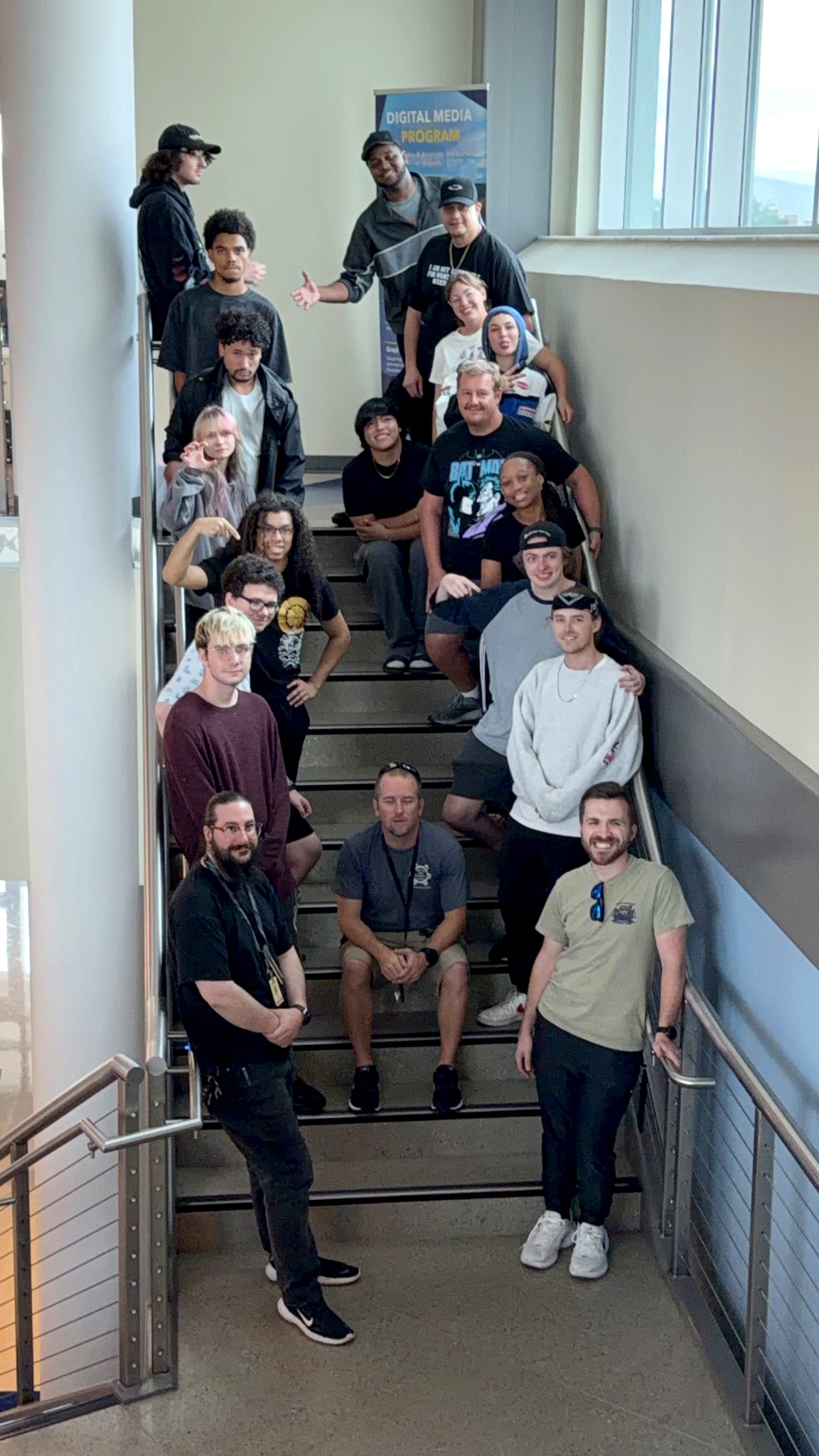
PANAMA CITY, Fla. – Gulf Coast State College students raced against a 3 p.m. Sunday deadline to finish, render, and upload two short films for the Broadcast Education Association’s 48-Hour Film Competition, completing a weekend that required them to write, shoot, and edit their projects from scratch.
GCSC fielded two teams in the national competition. Teams participating across the country worked from the same assigned criteria, including a buddy cop comedy genre, a character named James Henry who is a stickler for the rules, a traffic cone as a required prop, and the line, “We need to work on your definition of subtle.” The finished films had to run three to six minutes, not including credits.
In the final hour, students moved between editing stations, checked audio, rendered projects, and prepared their uploads while faculty periodically called out the remaining time. By the final half-hour, the pace had noticeably increased, with team captains moving quickly around the room to retrieve headphones and other equipment. Nearly every student had an energy drink nearby after a weekend of limited sleep.
Addie Clark, a theater major who acted in one of the films, said she left campus around 3 a.m. and returned at 10 a.m. She estimated her team spent 12 to 13 hours shooting footage alone, not including the time spent writing, planning, editing, and completing the other work required to finish the film.
“Staying awake until all hours of the night to try to get it finished” was the hardest part, Addie said. “But that’s also the best part because it shows that we’re working hard, and we’re making a good movie.”
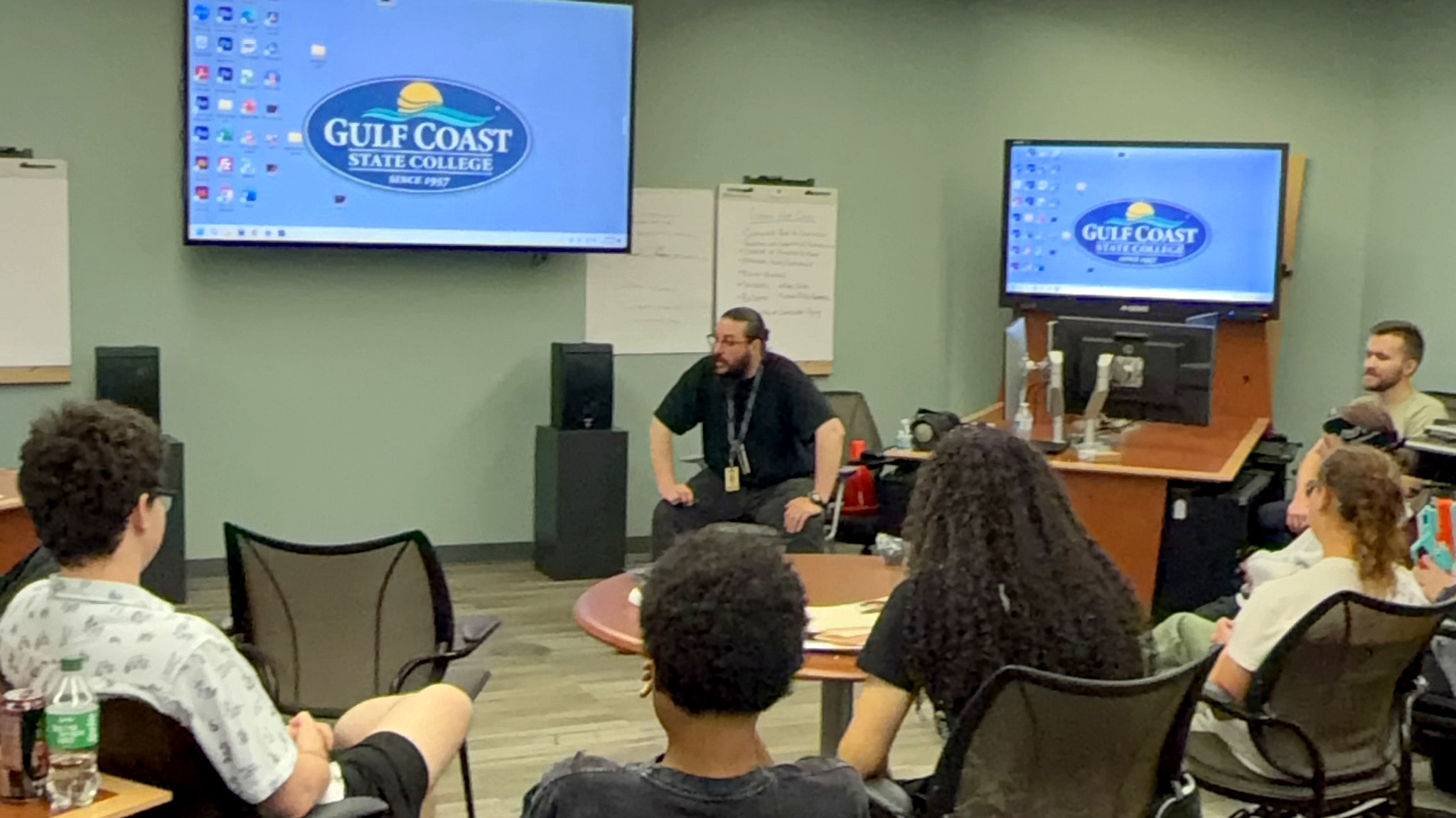
Caleb Jordan, instructional coordinator of Digital Media at GCSC and one of the faculty advisers for the event, said the time restriction forces students to discover what they can do under pressure and where they still need to improve.
“They really get to find out the hard way what they know, and what they don’t.”
Professor Caleb Jordan, GCSC Digital Media
Professor Jordan added that even ending with an unpolished product can be a learning experience because the deadline forces students to take a project through completion. He said the college supports the teams with campus access, professional-level equipment, and faculty guidance. Both GCSC teams submitted their films directly to the national competition for judging rather than competing for a single local qualifying spot.
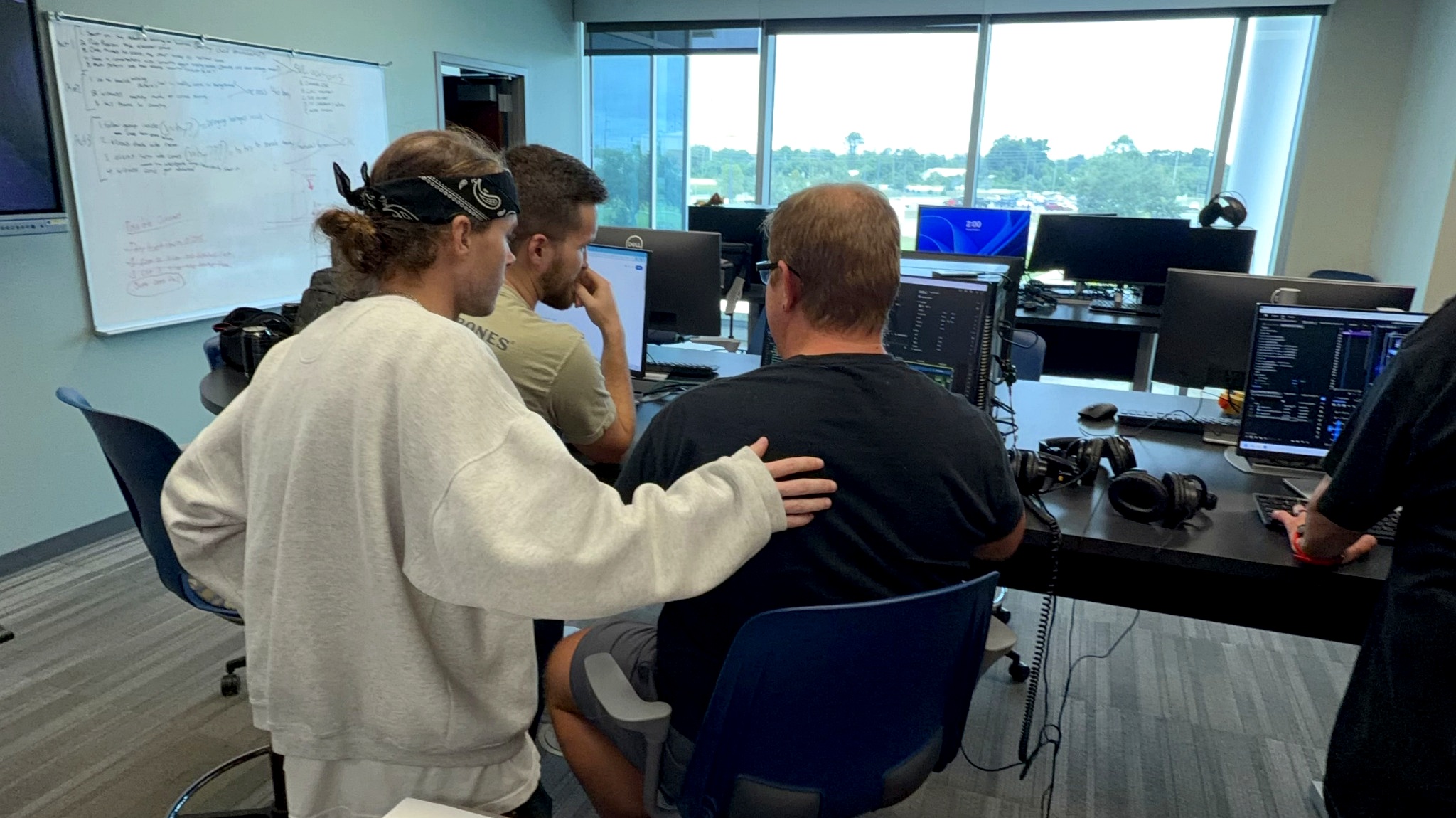
Tyler Daugherty, a Digital Media student who served as captain of Deadline Pictures, director, and special-effects supervisor, said his team’s film, Conespiracy, follows two police officers investigating missing people before the story takes a science-fiction turn involving alien abductions.
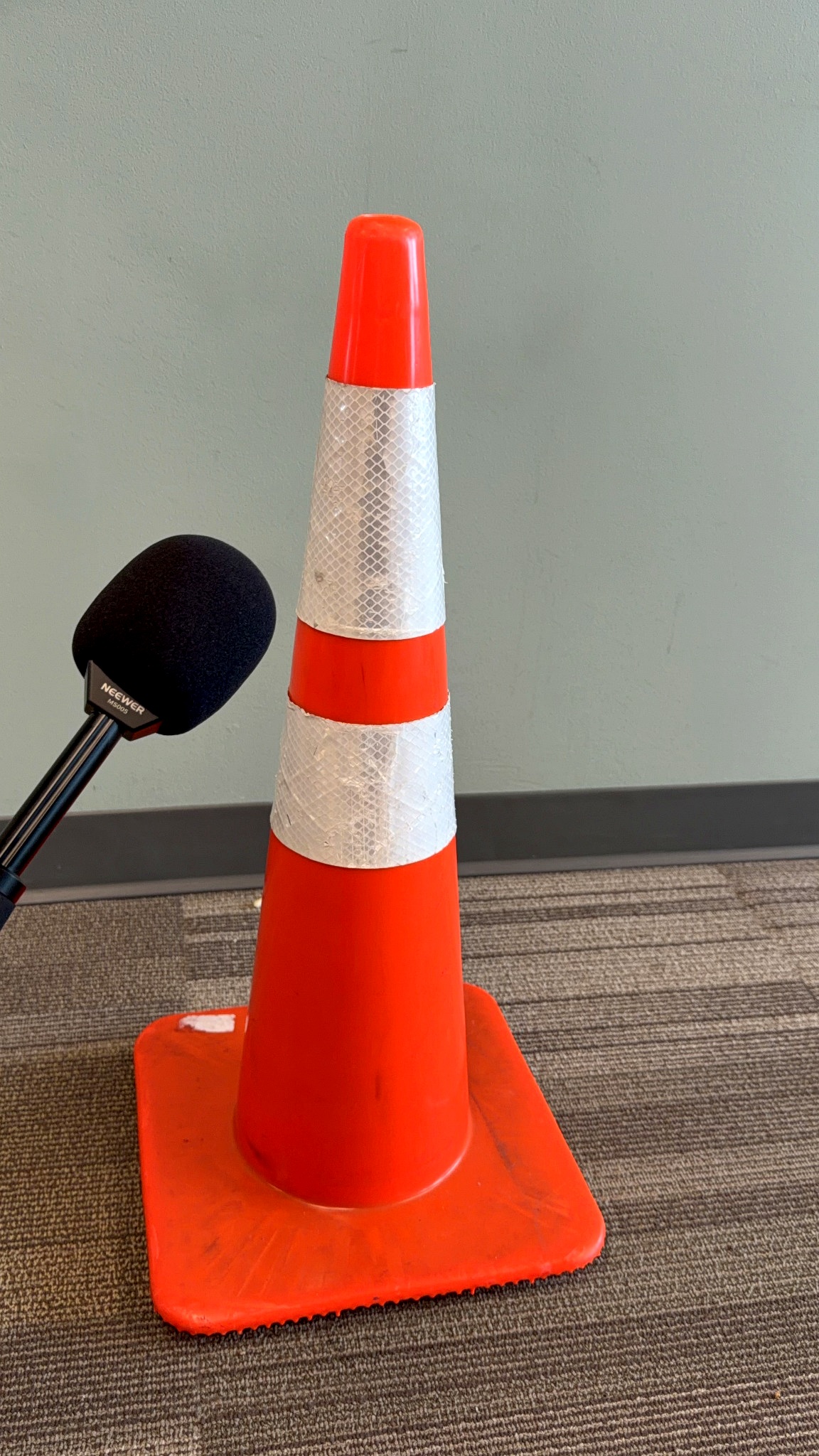
Tyler said his group stayed until about 2 a.m. Friday and about 3:30 a.m. Saturday before returning Sunday morning. He estimated that he had slept about four hours during the competition. The team also abandoned a partially completed storyboard when members realized there was not enough time, and relied on their shot list instead.
One special-effects shot required Tyler to build a squib that blasted an actor with fake blue alien blood. The first take did not work as planned, and because the actor’s clothes were already covered in blue goop, the team changed the camera angle to hide the evidence before trying again.
After submission, Tyler said he was more proud of this year’s film than the previous three he had helped make. “I think we crushed it this year,” he said. “It’s amazing. It’s a great feeling.”
The second GCSC team, the Weekday Blues, submitted Hazard Patrol. Team captain Robert Koss served as director and main camera operator. Robert said his group had only about five people handling production after a member had to leave because of a family emergency, forcing several students to take on multiple jobs.
Robert described the final 30 minutes as “incredibly stressed” as the team worked to correct audio, export the video, and submit it properly. His team finished with roughly 15 to 20 minutes remaining. He estimated he had slept only five to six hours since receiving the assignment Friday.
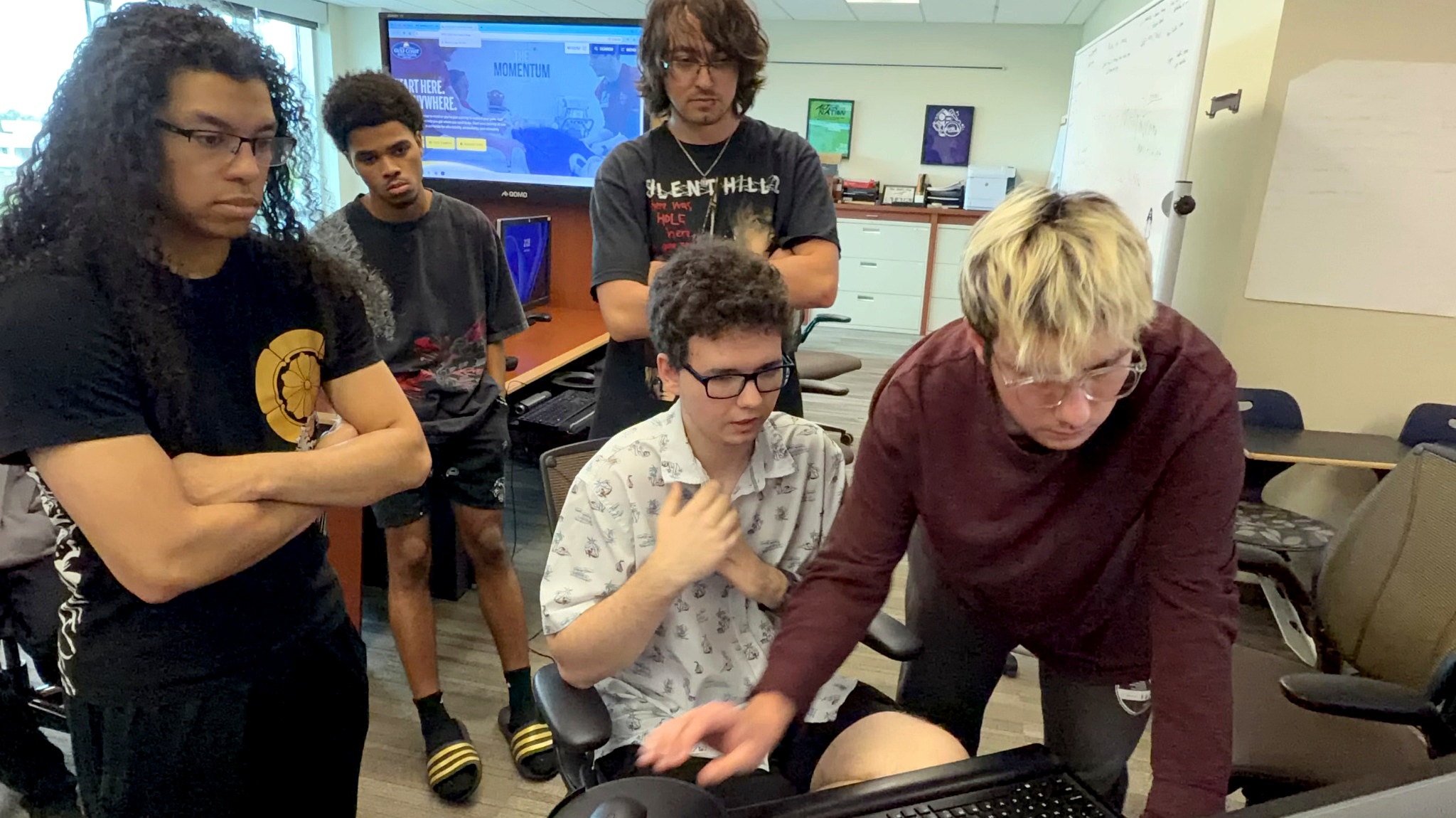
The Weekday Blues also had to improvise when a planned door gag would not work at the original location. The team spent about an hour finding another door and rebuilding the scene around it. In the finished sequence, the character Joseph tries to kick open an unlocked door and falls through when it flies open.
James Washington, a Digital Media Production student on the Weekday Blues, said the small crew made the weekend difficult, but also turned it into a team-building experience. He acted while also helping with lighting, casting, camera operation, and other production needs.
Both teams completed and submitted their films before the deadline. No winner was selected on campus Sunday. The entries now move into the national judging process. Tyler’s team placed third nationally in the previous year’s competition with the film KILL F.M. – giving this year’s students a recent example of how far a GCSC entry can advance.
For Tyler, another strong result would carry personal significance beyond the competition. “I want to be a film director,” he said. “That is my dream. That’s my passion in life.”
Reporting and photography by CJ Sutton.