
Tuna
Canned Tuna and Tuna Steaks
Tuna is often called the chicken of the sea. Sailors used to say that the pale color of the fish and mild flavor reminded them of chicken. Canned tuna is widely available and extremely affordable. Nutritionally, they are relatively similar, with the biggest difference in vitamins being that tuna has a significant amount more vitamin B-12. The amount of protein in tuna is very similar to chicken (only slightly less), and chicken carries a lot more vitamin b3.
I thought tuna was nasty?
Tuna is often overlooked when people think about a daily meal. The reason people write tuna off might be from the notable stench that it gives off. If you take tuna to work and eat in a common area, you are sure to get some looks from those around you. This idea of stink is a common misconception and usually is not a problem as long as your tuna is still good and fresh. It should smell more like the ocean than like old fish.
In case the smell does start to linger, some quick tips for getting rid of the smell of the fish before cooking it is to soak the tuna in milk before cooking it and cooking the tuna with lemon juice, both of which neutralize the fishy odor. The lemon will also add a nice zesty flavor to the fish if you desire it.
There was almost no tuna at one point.
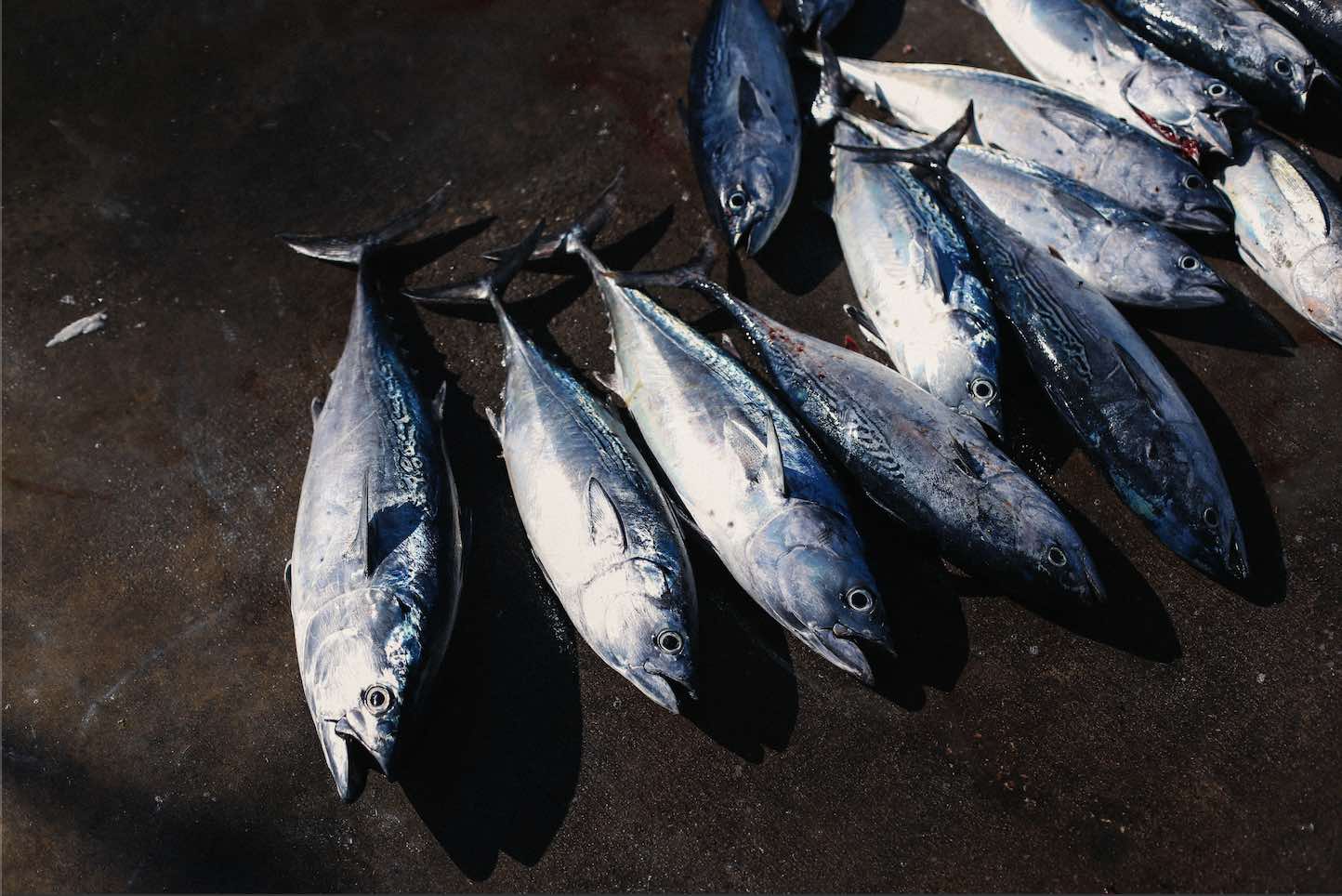
The way that anglers caught tuna for years ended up massively hurting the tuna population. Nowadays, Tuna fishing is highly regulated, and anglers are no longer able to capture the outrageous number of tuna they had in the past. The new regulations also make it easier for the tuna to get to the right age and size to reproduce effectively. This regulation increases the amount of tuna alive each year and ultimately is rejuvenating the tuna population.
Why is some tuna so cheap while others are so expensive?
Tuna has a unique ability to adapt and fit in the cheapest household foods and the highest quality seafood kitchens. How can this be, you might ask, that you can buy the same fish in 1.00 packets in Walmart that you can order in well-performing restaurants? The answer lies in what is actually in the can.
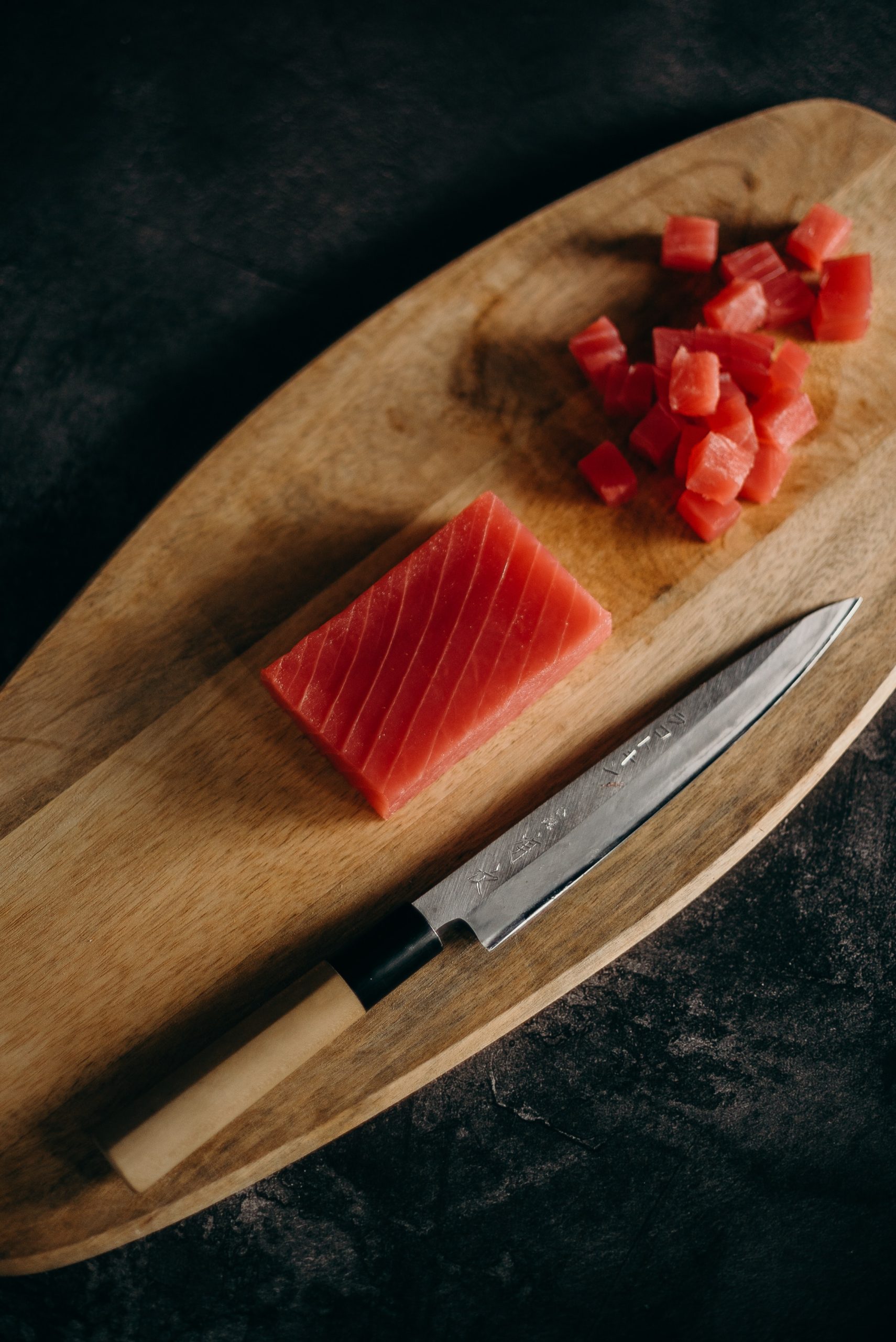
The canned tuna, most of the time, is not the same kind of tuna. Most restaurants serve a pink, fat marbled slab of bluefin tuna. This bluefin tuna is vastly different from the white albacore that most tuna is. While it is still tuna, there is a lot less fat, and thus it is a lot less tasty than the “tuna steak” at a restaurant.
Cooking a fish steak
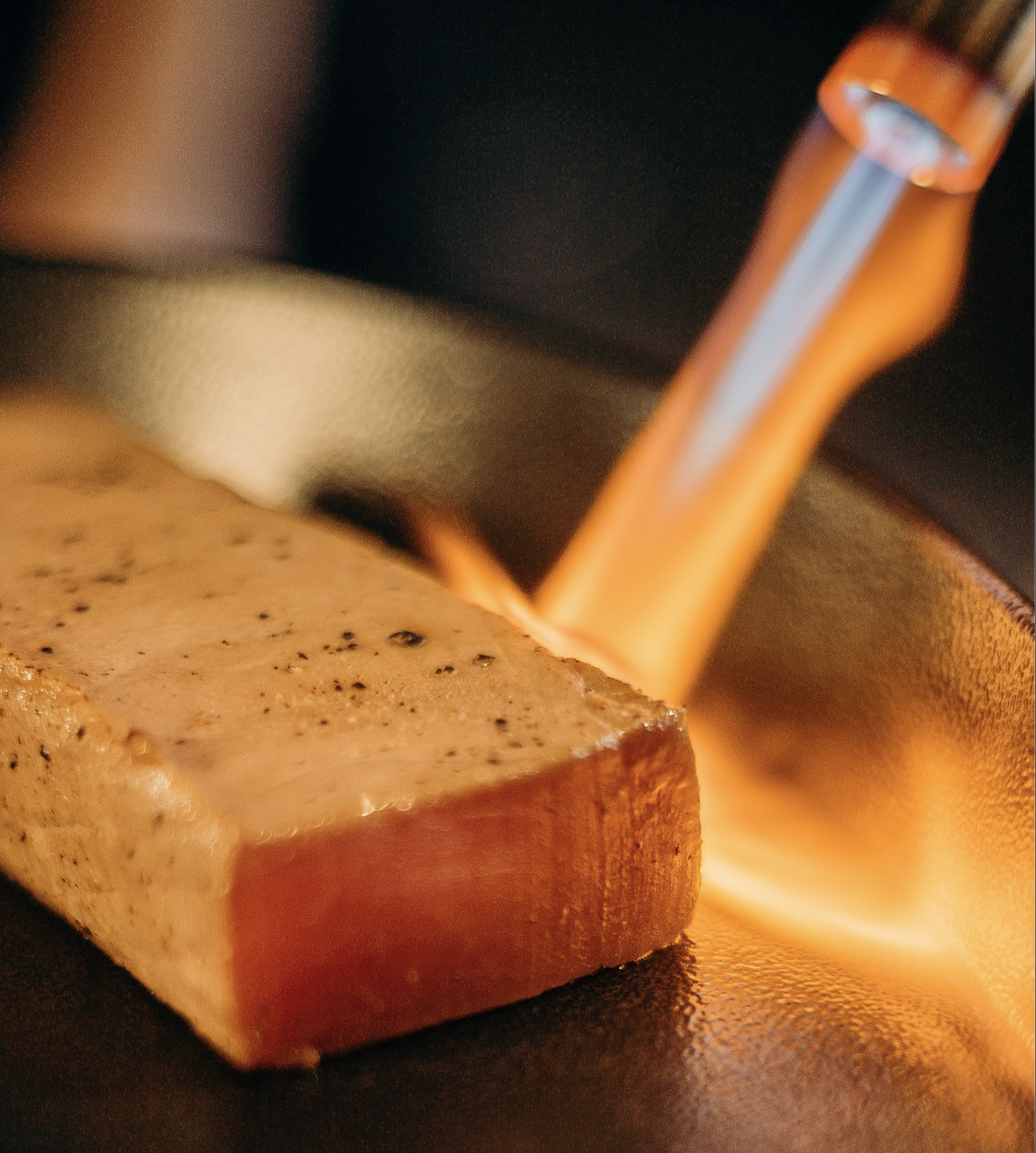
Cooking tuna is a lot different than cooking any land-based meat. Instead of cooking a tuna all the way through, many chefs sear tuna or even eat it raw. Ahi (yellowfin) tuna is most common for being served this way. All you need for seasoning, like most meats, is olive oil, salt, and pepper. You can then throw the steak on a hot pan or grill for around two and a half minutes on each side or until the outside of the tuna turns white, but the center is still translucent pink. Tuna, even in steak form, doesn’t have to be expensive either! Publix has 2 6 oz tuna steaks for $7.83. That breaks down to 1 tuna steak for $3.42.
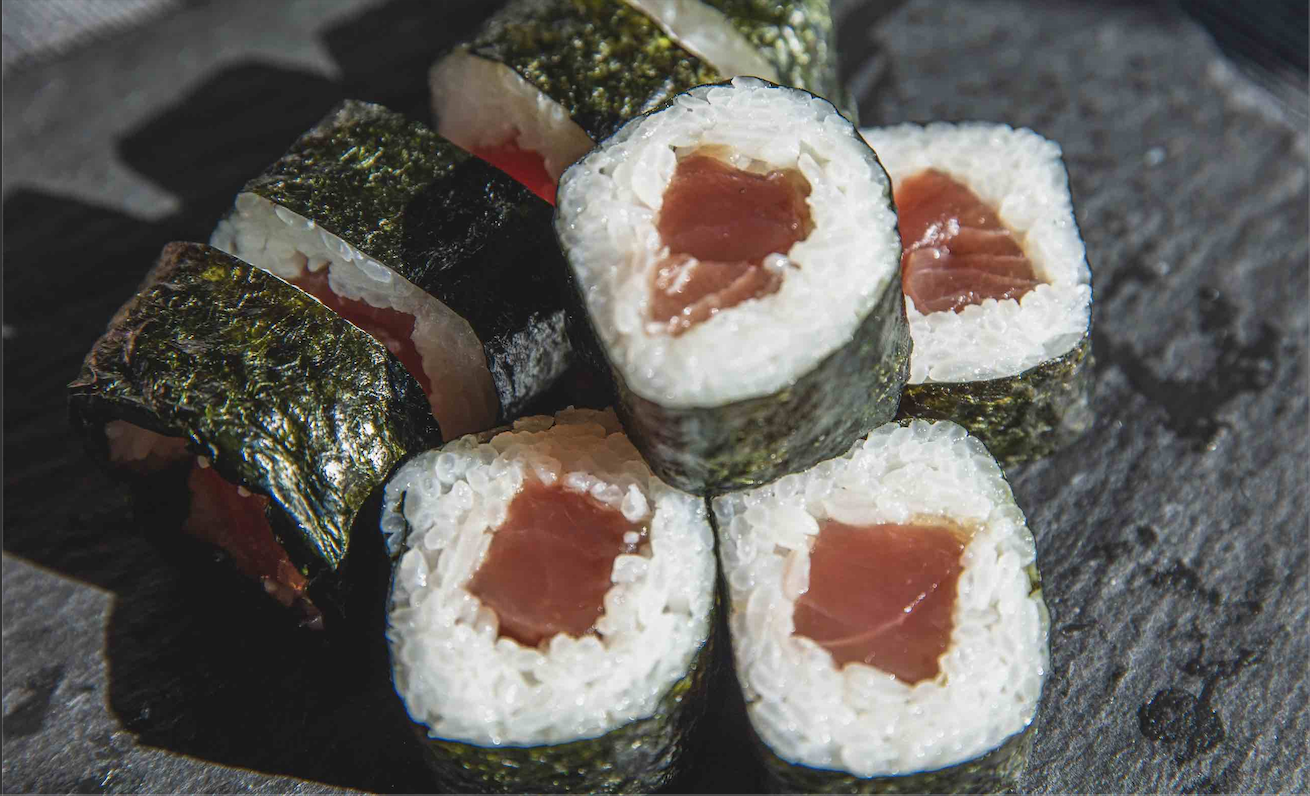
If you don’t feel like firing up the stove, you may opt for a raw tuna option. For this method, it is best to buy sushi-grade tuna. Sushi-grade tuna means that the fish has been flash-frozen to kill parasites that might have been living in the fish. The FDA requires this label to be able to sell fish that are allowed to be eaten raw. You may be able only to get one fillet of tuna to keep the price under $10. The most straightforward sushi to make with raw tuna requires just the tuna itself, rice, and seaweed. Layout the seaweed, pour on the rice and the tuna, and then roll up the roll and slice it around every inch. This sushi, as with most, is served with wasabi and soy sauce.
On the Go
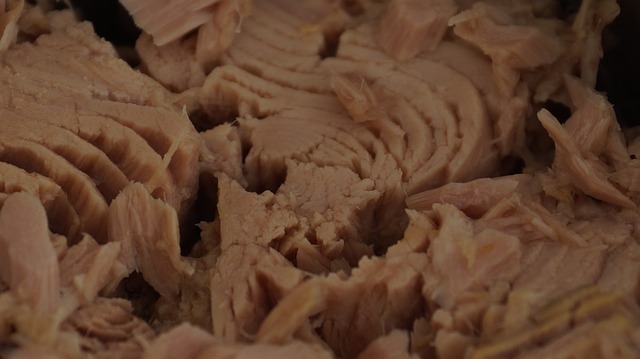
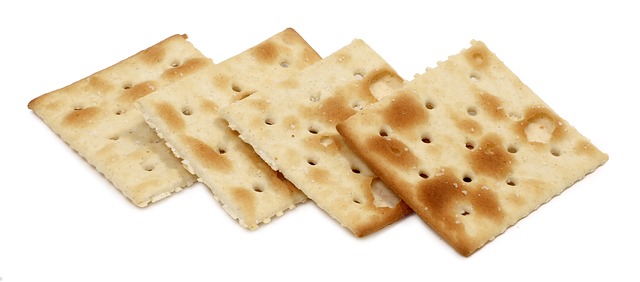
The simplest and cheapest way to enjoy tuna is the very easy and accessible canned tuna/tuna packet. I typically use saltines (whole grain if you really want to be healthy) to lay my tuna on. You can also chop up some carrots to eat with this meal, which adds some crunch and sweetness to this simple meal. Another way to throw in some variety is to buy flavored tuna. I know that this idea sounds weird, but it is one of my most frequented lunches at the moment. Bumble Bee has individually packaged tuna and about eight flavors to chose from and are especially tasty if you like spicy foods.
ABOUT THE AUTHOR
Dalton Childs
Student Author - Spring 2021