There is something quietly revolutionary happening every time a teenager in São Paulo learns Korean to understand her favorite song to a teenager in Lagos posts a cover dance that racks up a million views overnight. K-pop — bright, loud and meticulously crafted — has become one of the most unexpected vehicles for global quality in the 21st century, dismantling barriers of language, race and geography one fan chant at at time.
What began as a South Korean domestic music industry has transformed into a borderless cultural phenomenon. Groups like BTS, BLACKPINK, aespa, and SEVENTEEN don’t just sell albums — they sell a sense of belonging. Their fandoms, spanning every continent and background, have become some of the most tightly knit multicultural communities the internet has ever produced. In an era of increasing division, that is no small thing.
At its core, K-pop’s global rise challenges the historically Western-dominated pop music landscape. For decades, the mainstream music industry operated under a largely unspoken rule: global stardom required English, a western look and a western sound. K-pop shattered that formula. It proved that music sung predominantly in Korean could top charts in the United States, France, Mexico and Nigeria simultaneously— and that audiences around the world are not only willing but eager to meet artists on their own cultural terms.
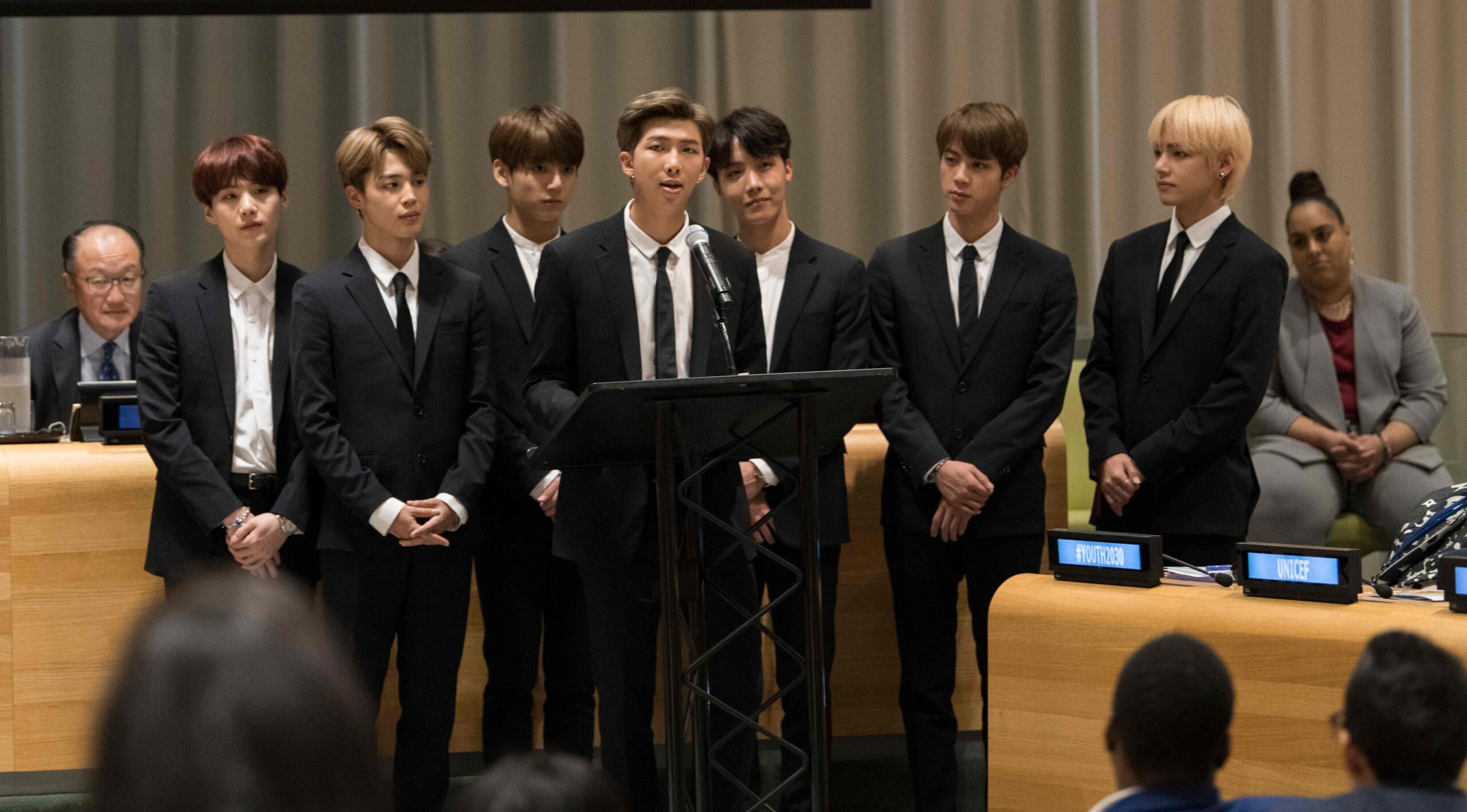
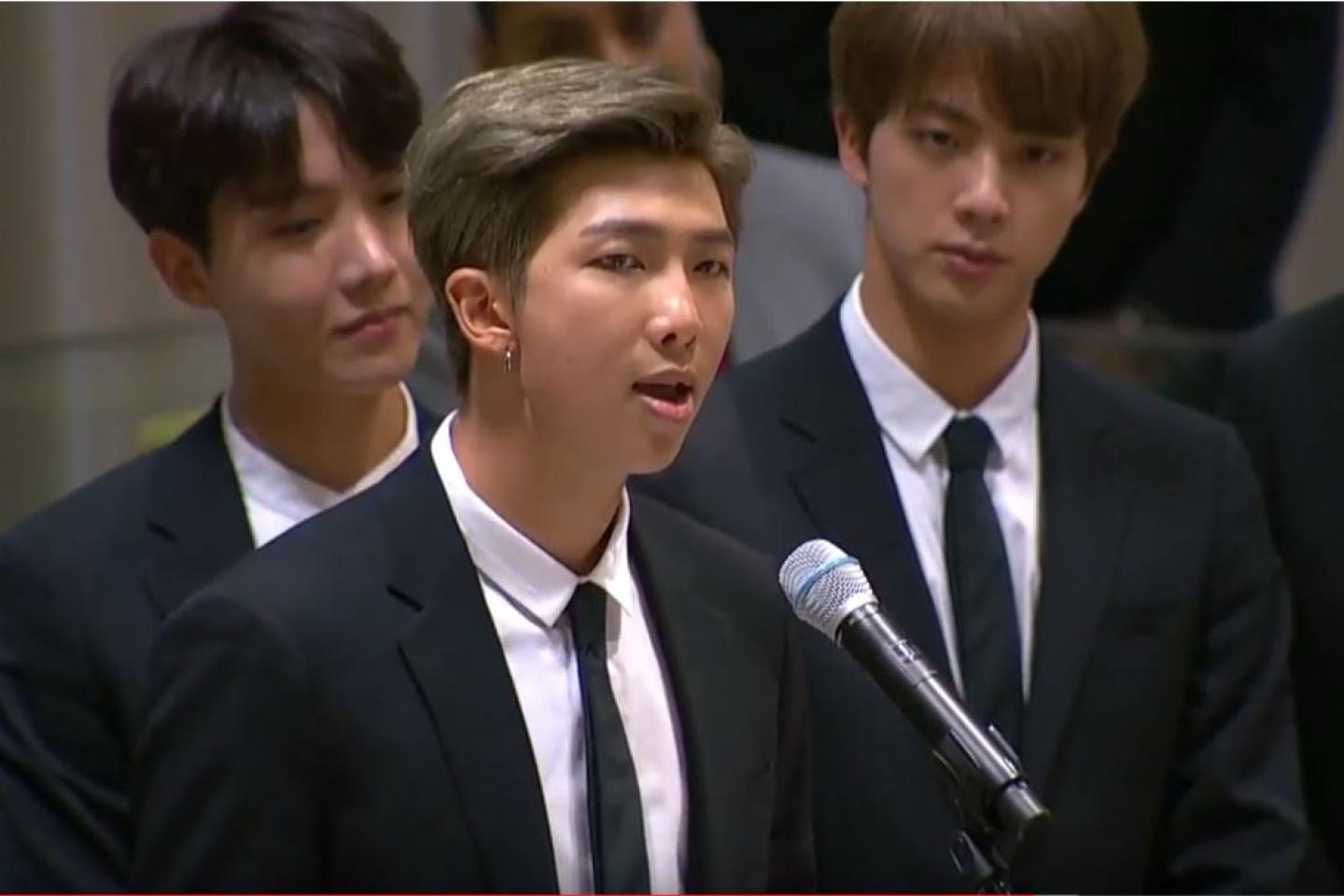
Beyond chart performance, K-pop fandoms have mobilized around real-world social causes with impressive force. In 2020, fans famously flooded a police surveillance app with a fan cam videos to protect Black Lives Matter protesters. BTS’s public commitment to anti-violence campaigns and their address to the United Nations on youth empowerment signaled a shift: pop idols as global citizens with a platform and a conscience. The message was clear — love for music and love for justice are not mutually exclusive.
Picture by Unicef
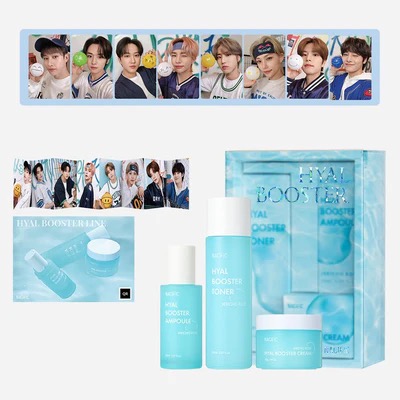
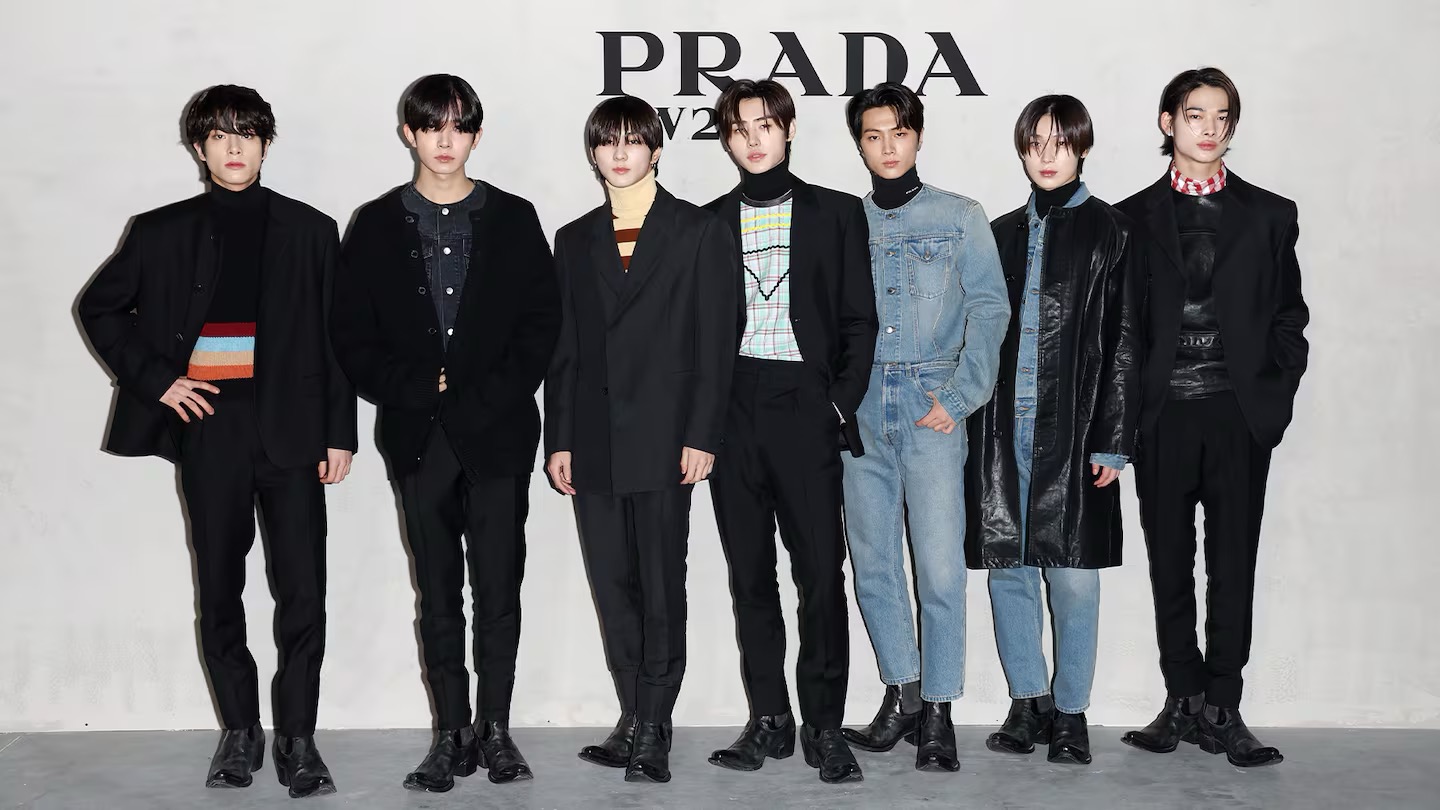
The genre also punches conversations around gender expression and beauty standards. Male K-pop artists who wear makeup, experiment with fashion and express vulnerability openly have inspired millions of young fans worldwide to challenge rigid gender norms in their own communities. Female artists, meanwhile, increasingly control their own narratives, launching independent labels and speaking out on industry pressures. These aren’t just aesthetic choices — they’re cultural shifts with real social ripple effects across borders.
Picture by Coréelle
Picture below by The Business of Fashion
One Fan’s Story: Why K-pop Feels Like Home
To understand the human side of K-pop’s global equality movement, we sat down with Rachel, a 40 year old self described ‘full-time Stan,’ to hear how the genre has shaped her worldview.
Q: When did K-pop become more than just music for you?
“Honestly, it happened pretty fast. I started listening because a friend sent me a video and within weeks I was learning Korean phrases, reading about South Korean culture and connecting with fans from countries I’d never even thought much about before. It stopped being about just the songs… it became this whole world that made me curious about people different from me.”
Q: Do you think K-pop has made you more open-minded about equality and diversity?
“One hundred percent. My fandom friends are from Brazil, the Philippines,, South Africa, Germany…we’re all so different but we have this shared love that makes us genuinely care about each other’s lives and struggles. When one of us talks about something hard happening in their country, we listen, K-pop built that bridge. I don’t think I would have those relationships otherwise.”
Q: What do you want people who don’t get K-pop to understand?
“That it’s just fan girl stuff, though there’s nothing wrong with that either! It’s global conversation. The artists talk about mental health, self-love, social justice. The fans organize, donate and support causes together. K-pop taught me that joy and activism can live in the same space. That feels really important right now.”
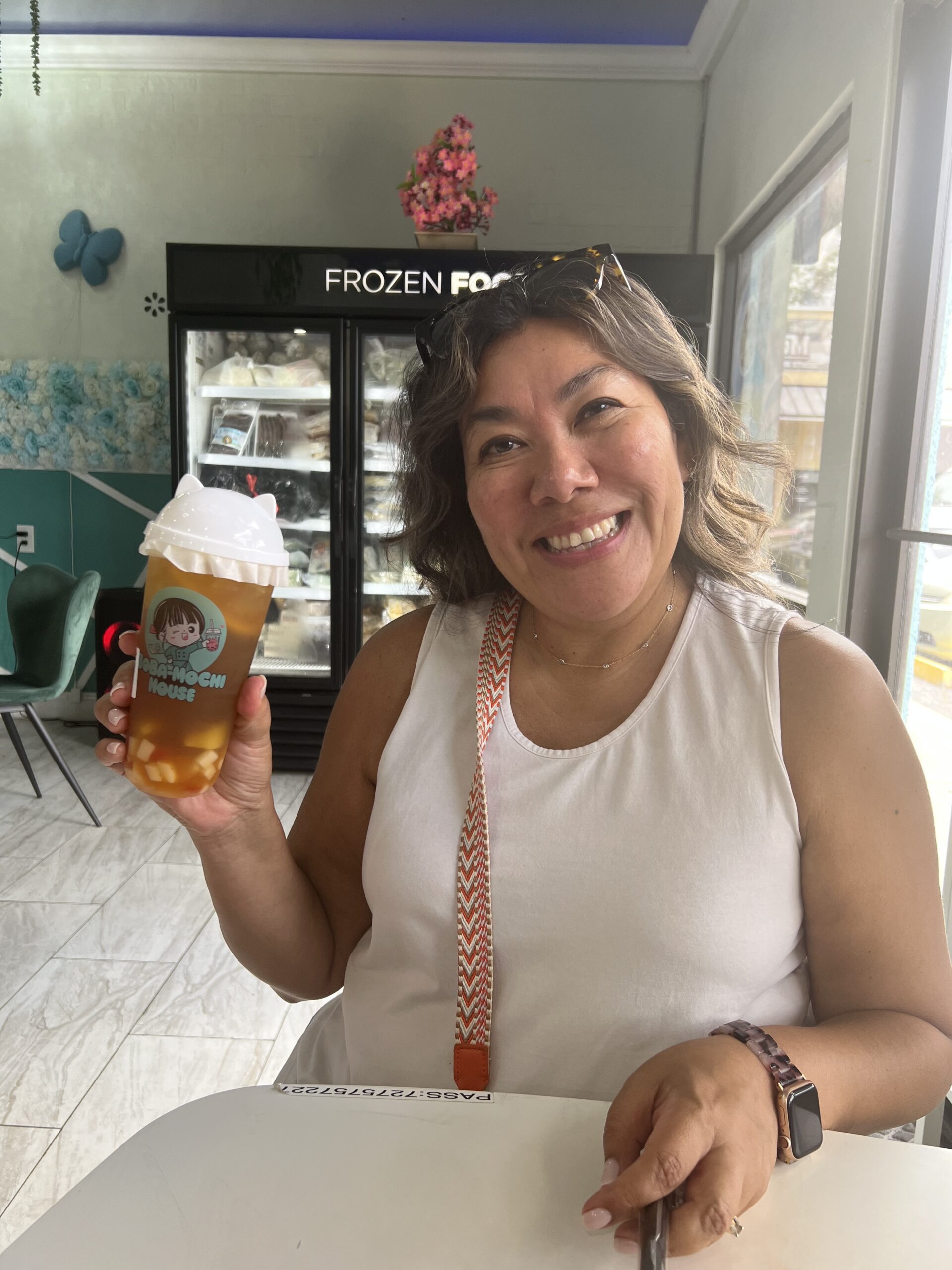
Rachel’s experience is far from unique. Across fan forums and social platforms, the same story repeats: a song becomes a friendship, a friendship becomes a community and a community becomes a force. K-pop, perhaps more than any other genre alive today, has made the world feel genuinely smaller and in doing so, it has made equality feel a little more possible.
The revolution, it turns out, has a really good beat.
Isabel Russell
Student Writer - Spring 2026
My interests are reading books, K-pop, musicals, dancing, Star Wars, and anime. My educational journey is a graduate of Bay High School (with AICE) and a freshmen in Gulf Coast State College. What I do outside of school is being active as a Jehovah’s Witness and enjoying spending time with my family. I have one dog named Pablo, and he’s a husky and a lab mix breed :).