
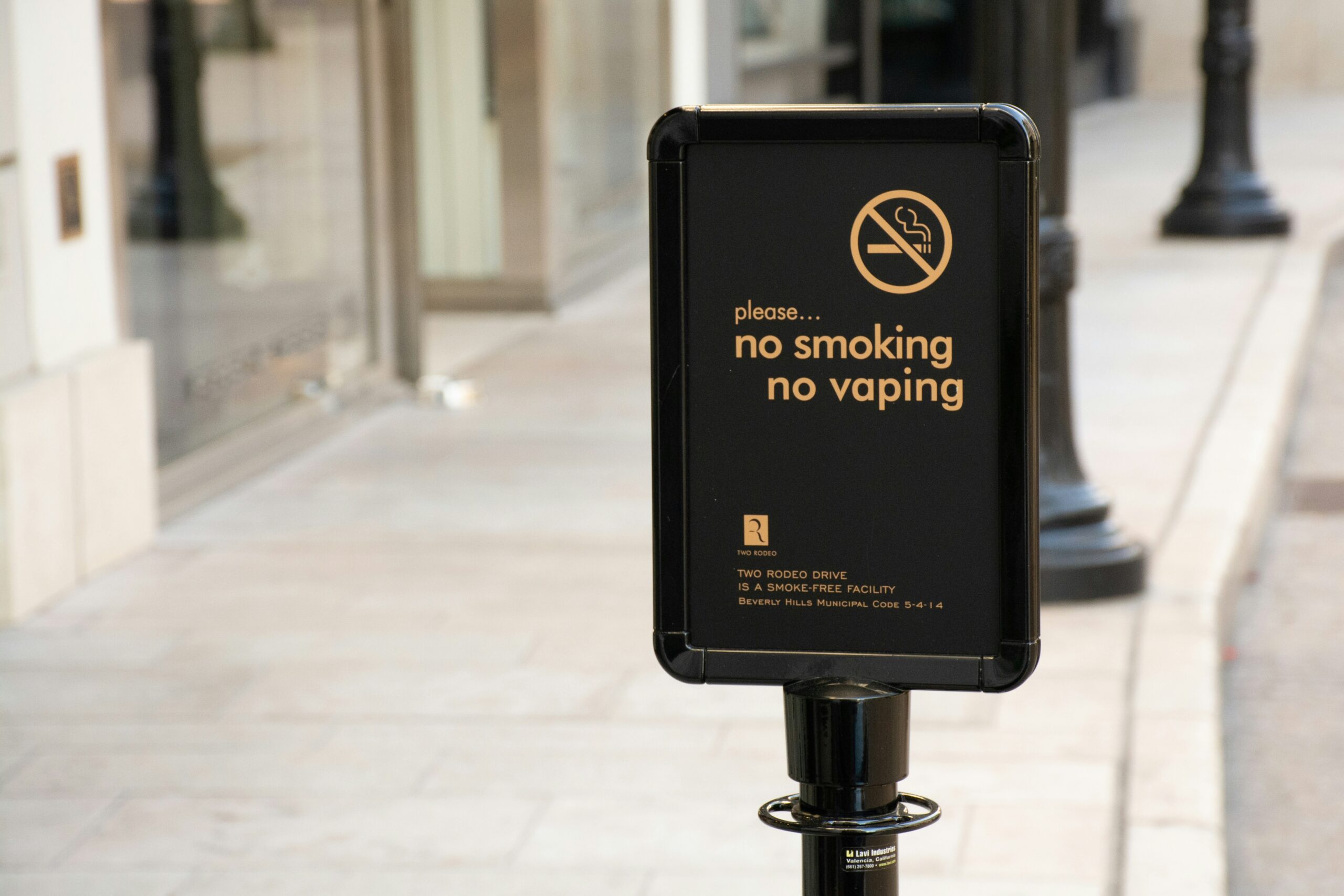
Photo by Samuel Ramos on Unsplash
More pressure in academics is shaping how students manage their stress
More and more college students across the United States are turning to coping mechanisms like vaping, scrolling through social media, energy drinks, and late night study habits as their stress levels keep rising on campuses all across the country.
Mental health experts and recent studies say many students use these behaviors to manage anxiety that’s linked to academics, finances, work schedules, and uncertainty about the future. While some coping strategies are considered healthy, others (like nicotine use) have raised concerns among health professionals.
According to the American Psychological Association, student stress is still everywhere, with many students reporting feelings of being overwhelmed by their responsibilities.
Why students are vaping
Health researchers say vaping has become one of the most common stress related coping behaviors among young adults.
The Centers for Disease Control and Prevention reports that many students who vape say that they do because they feel “anxious, stressed, or depressed.” They also note that nicotine addiction can increase feelings of anxiety and stress over time.
A 2024 study published in the Journal of American College Health found that undergraduate students who vaped reported higher levels of stress and depressive symptoms compared to students who did not vape. Researchers also connected vaping with poorer sleep and increased alcohol use.
The University of Texas at Arlington did a study that found that students were more likely to vape when their close friend groups talked about vapes a lot. Researchers said that the behavior can become normalized in social settings.
I also interviewed a student here at Gulf Coast who gave his personal experience with vaping, how he got into it, and whether or not it has helped manage his stress levels.
Student interview
Stress on campus
College counseling centers across the country have reported a growing demand for mental health services in recent years. Students often balance their classes with jobs, internships, extracurricular activities, and personal responsibilities.
For many students, stress is at its peak during midterms, finals, and planning for graduation.
Some students describe vaping as a way to briefly relax or focus during busy days. Discussions online among college aged users also show that students frequently connect nicotine use with emotional regulation and anxiety relief.
One Reddit user in a vaping support forum wrote, “It wasn’t just nicotine, it was my coping tool.”
Researchers caution that while vaping may create short term feelings of calm, nicotine dependence can cause a cycle of stress and withdrawal symptoms if left unchecked
Other coping strategies students use
Not all student coping mechanisms involve the use of nicotine or other substances. Mental health professionals say students also use exercise, music, meditation, therapy, and social support from friends.
The CDC recommends managing your stress in other ways. Like physical activity, sleep routines, breathing exercises, and support networks as healthier alternatives to vaping.
Some universities have also expanded mental health resources, like peer counseling groups, wellness workshops, and stress relief events during exam periods.
Experts say that understanding why students turn to certain behaviors to cope is important for colleges trying to support their students’ wellbeing.
As colleges continue addressing student mental health, researchers say coping mechanisms like vaping remain an important issue because they reflect broader challenges facing students both inside and outside the classroom.
Chris Crosby
Student Writer - Spring 2026
I have an interest in jazz music, and this is my second semester at Gulf Coast. Normally, outside of school, I spend my time gaming, playing my saxophone, or hanging out with friends. I don’t have any pets, but if I did, I’d want something like a tortoise or a reptile of some kind.