
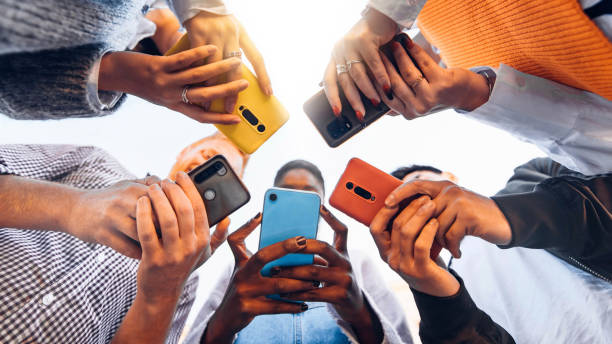
Student Privacy Is Becoming A Huge School Year Concern
While we sit and doomscroll Instagram and tiktok, turn in homework through canvas, and connect our laptops and phones to school wifi, we might not realize how much of our personal information we’re sharing. However, some recent online security incidents, debates in the government, and data leaks are drawing attention to a growing issue, which is online privacy for us students.
Experts say today’s students generate more data than any previous generation. And schools, apps, and hackers all want it.
Schools: a new target for hackers
Education systems have slowly become one of the most vulnerable parts of the internet. Schools store large databases of private records like attendance, academic performance, and even health information, making them valuable to attackers. Researchers note educational technologies serve as “centralized hubs for diverse types of sensitive data, from academic records to health information.” Source.
A major example occurred in late 2024 when education software company PowerSchool, used by school districts across North America, was breached. Hackers were able to get access to “sensitive personal information” including student social security numbers, grades, and medical data. Some districts reported the attackers obtained “all historical student and teacher data” stored in the system. Source. Authorities later said that the attack compromised data affecting tens of millions of students nationwide. Source.
This incident shows exactly why schools are attractive targets: they have large amounts of personal information but usually have fewer cybersecurity resources than large corporations do.
Surveillance and monitoring inside schools
Concerns about privacy don’t come from only hackers. A lot of schools keep track of student activity on school issued devices and networks. Monitoring software can review what you do when you browse and online communications to detect threats or inappropriate content.
Even child monitoring and parental control technologies themselves can introduce risks. Researchers analyzing monitoring apps found that some of them sent sensitive data without encryption and several of them showed indicators of behavior that was like spyware. Source.
Because school platforms track our accounts, email, and browsing, our online activity may be recorded even when we aren’t aware of it.
Social media and other apps: voluntary data sharing
A lot of students’ privacy exposure comes from apps they choose to download. Free services often collect information like things that identify what device you’re using, location data, and usage patterns for advertising or analytics.
Cybercriminals value this information because it helps impersonate victims, reset passwords, or build identity theft profiles. The PowerSchool breach showed how personal details, like names, addresses, and contact information can be combined to target entire families. Even security specialists warn that once information is leaked online, it could circulate forever. Even if companies pay someone to try and take it all down, the data is not guaranteed to be destroyed. Source.
The hidden risk: long term digital footprints
Privacy advocates emphasize the biggest concern for students is not just hacking but also permanence. Data shared online might follow a person for years.
Records collected during childhood can come up during college admissions, background checks for a job, or financial verification processes. In large breaches, the attackers will sometimes keep data to use for later fraud or extortion attempts. Source.
School records are tied to real identities unlike anonymous social media accounts, so stolen student information can be especially useful for identity theft.
What us students should worry about now
Experts say students often misunderstand online privacy risks. The most immediate threats are these simple behaviors:
School accounts: Educational login systems contain grades and personal information. A single leaked password can expose a full student record. As seen in the PowerSchool breach.
Oversharing online: Names, photos, and locations can be combined into identity profiles that can be used for scams and to impersonate you.
Third-party apps: Applications collecting background data might store or share personal information with other companies. (not really big news to anyone but still important)
Data breaches: When a platform is hacked, the people affected can’t control where the information gets sent afterward. Some sites and applications might warn you if some of your passwords/information was found in a data breach, but that’s only if you get lucky.
How we can protect ourselves
Some basic measures to take recommended by security professionals:
- Use different passwords for school and social media
- have two-factor authentication enabled
- Don’t install unknown apps
- Limit public posts showing your location or your schedule
- Log out of shared computers
Online activity has basically become inseparable from education, but experts say that we students should treat our personal data carefully.
As cybersecurity researchers emphasize, schools now hold big collections of sensitive information, making them constant targets for hackers and cyber criminals. Source.
Basically all this is to say that privacy is no longer just a technology issue, it’s part of our everyday student safety.
Chris Crosby
Student Writer - Spring 2026
I have an interest in jazz music, and this is my second semester at Gulf Coast. Normally, outside of school, I spend my time gaming, playing my saxophone, or hanging out with friends. I don’t have any pets, but if I did, I’d want something like a tortoise or a reptile of some kind.