Getting Started With:
3D Printing
From Idea to Physical Object
Make exactly what you need
What Can You Actually Print?
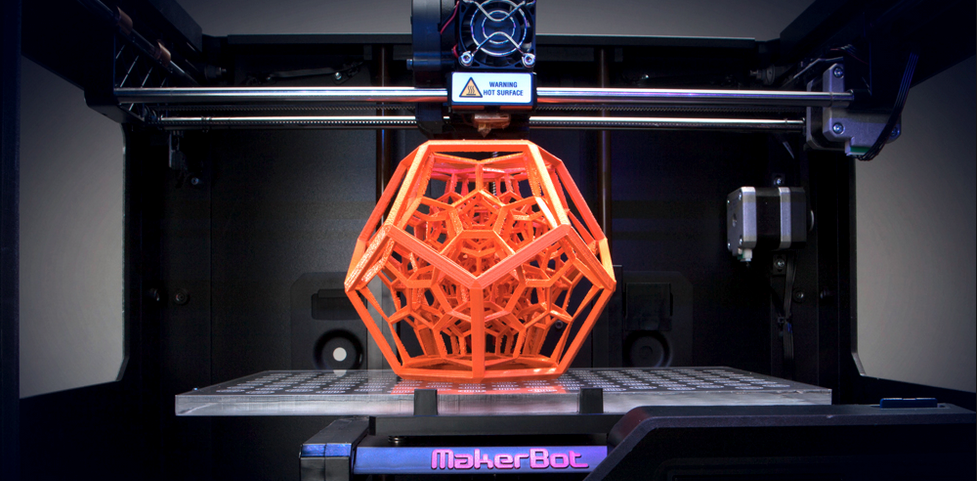
The first question most people ask is: “What can I actually make?” You have probably seen the 3D printed floppy dragons and other animals, and might think, “Is that all 3D printers can do?” Actually, no, they can do so much more. 3D printing has uses that range from creative projects to practical everyday items. For instance, think about items that could make your life easier. Phone stands that keep your device at the perfect angle while you watch a movie. You can create hooks and hangers designed for specific spaces. Also, instead of replacing entire items, you can print broken or hard-to-find parts.
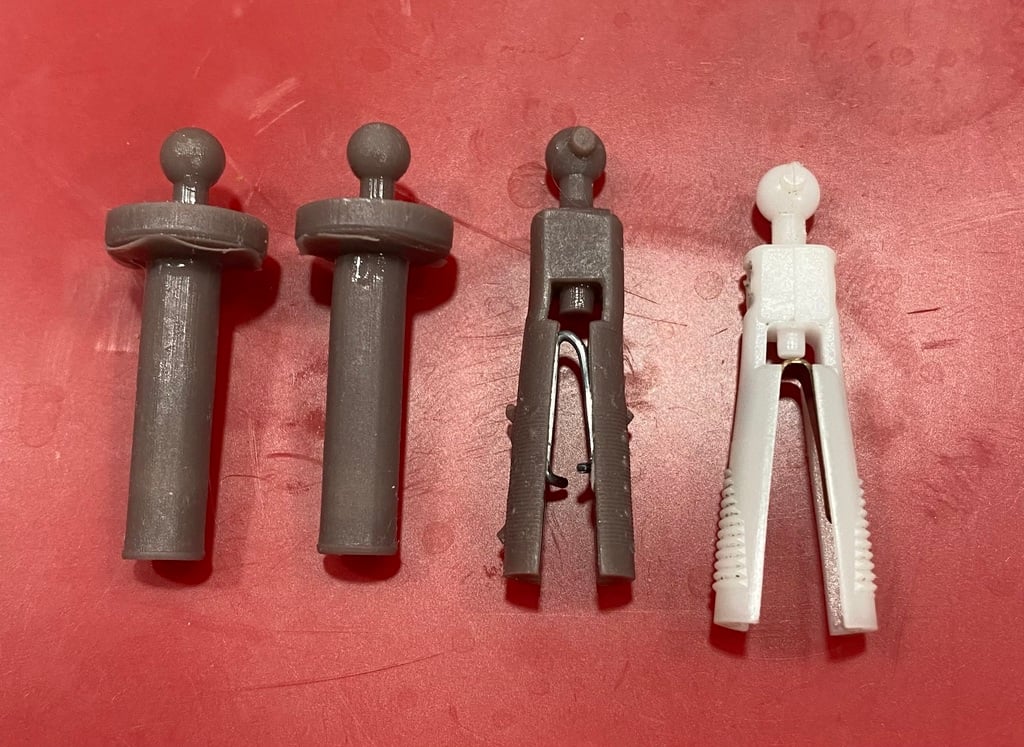
I once shattered my truck’s side mirror. The crash didn’t hurt the outside housing a bit, so I ordered a part. However, it only came with the glass, not the clips. I needed four clips that looked like old-fashioned clothespins to hold the mirror in place. Unfortunately, two of the clips were missing, leaving me with two options: get new clips or replace the entire mirror. After searching everywhere without success, replacing the entire thing was going to cost about $150. Spending that kind of money just because four clips were missing seemed ridiculous, so I turned to my 3D printer. In a short while, I was holding 3D printed clips that looked and fit just like the originals and cost $0.02 each to make.
A 3D printer and a little creativity equal endless possibilities. Jewelry designers can print pieces to aid them in their design work. Artists create sculptures without needing traditional sculpting tools. Gamers can make custom figurines or build terrains for tabletop games. Biology students can create touchable versions of molecules and cells. Those in the engineering field can test their prototypes before wasting expensive materials. Having a physical object to study often makes complex ideas click in ways drawings can’t.
The Process
How does it work?
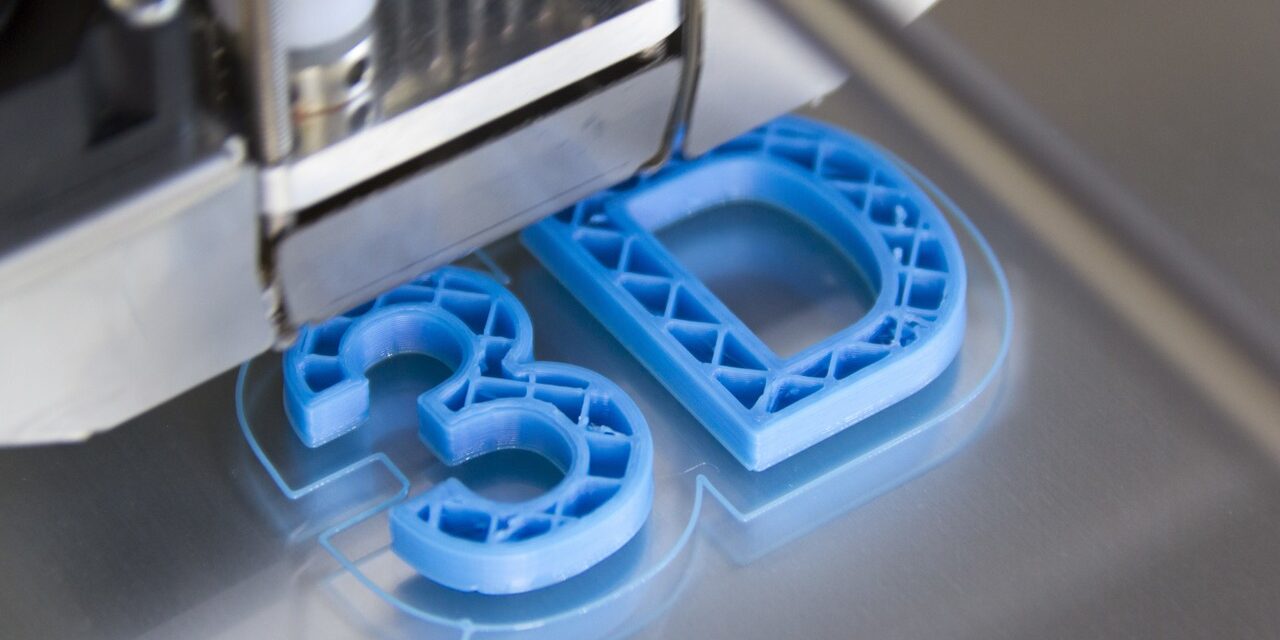
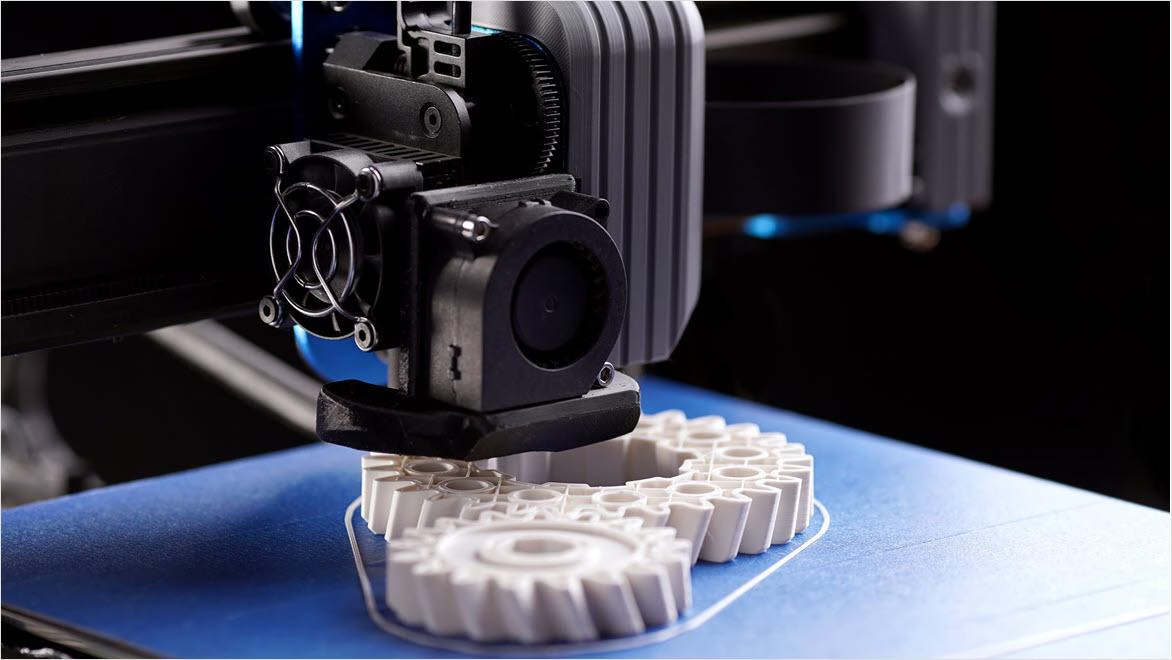
How does it work? A 3D printer builds an object by stacking thin layers of melted plastic on top of each other. The printer melts and squeezes the plastic out through a hot nozzle, the extruder. The extruder moves around, drawing out one flat layer. Then it moves up slightly and draws the next layer on top of that. This continues until the object is complete.
It’s easier than you think
Where does the design come from?
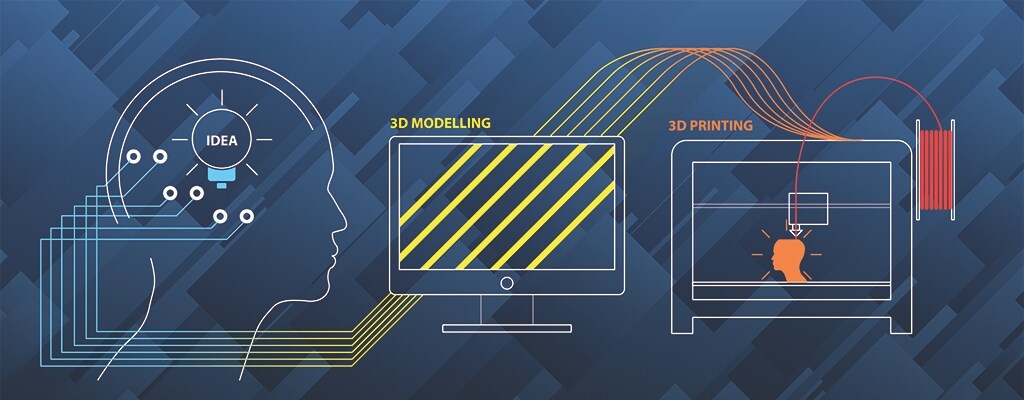
You need a digital design file before you print anything. This is where many people stop before they get started. They assume they need advanced computer skills or design experience to use a 3D printer. That isn’t the case at all. Many people who have never designed anything 3D print things all the time. There are two main paths to getting the files that are needed. One is to have someone else make them for you. Massive free libraries online let people share their 3D models. Sites like www.thingiverse.com have thousands of designs ready to print. Need a phone stand? Someone has already designed dozens of versions. Looking for a specific game piece or decoration? It’s probably there. You simply download the file, and you’re ready to print.
The other way to get the files is to design it yourself. There are beginner-friendly sites like www.tinkercad.com. This website is a popular choice because you don’t need to install anything. It runs directly from the internet. This uses basic 3d shapes like cubes and cylinders that you can work together until you have the design you want. It’s like playing with digital building blocks.
You then need to put the file in a format the printer can understand. This is where you use slicing software. The slicing software cuts the digital 3d object into hundreds of thin layers. The software then creates instructions telling the printer exactly where to move for each layer. This step happens automatically. The slicing software will tell you how long it will take to print and how much filament it will use. There are ways of reducing the print time, but we will cover that in a later article.
3D printing transforms you from someone who buys things into someone who makes things. That change is powerful. After a while, when you need something, your first thought will be “I could print that.” Whether you want to solve practical problems or build something no one has thought of before, 3D printing makes it possible.